




- Website -







 Current Location:
NEWS INFORMATION
Yuyuan Steel Structure
What Is a Steel Structure Building? A Complete Guide for Beginners
AUTHOR:yuyuan DATE:2025-12-30 15:02:43 HITS:113
Getting to Know the Steel Structure Building
A steel structure building is one of the most widely used construction solutions in modern architecture and industrial development. From factories and warehouses to commercial and infrastructure projects, steel-based structures are known for their strength, efficiency, and adaptability.
For beginners entering the construction or building materials field, understanding how a steel structure building works is essential. Unlike traditional concrete or masonry buildings, steel structures rely on prefabricated steel components that are designed and produced with precision. This approach allows manufacturers to maintain stable production, consistent quality, and reliable bulk supply for projects of different scales.
This guide explains the fundamentals of steel structure buildings, their working principles, benefits, and common applications.
 |  |
What Is a Steel Structure Building?
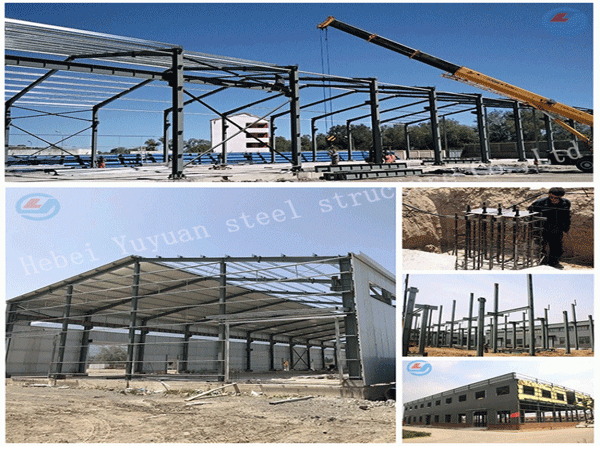
A steel structure building is a building system in which steel is used as the primary load-bearing material. The main structural elements—such as columns, beams, frames, and trusses—are made of steel and connected through bolts or welding to form a complete framework.
Steel structures are engineered to carry loads efficiently while maintaining flexibility in design. Because steel has a high strength-to-weight ratio, buildings can span larger areas with fewer internal supports, creating open and functional spaces.
In many modern projects, steel components are fabricated in factories and delivered to the site for assembly, ensuring accuracy and reducing construction time.
How Does a Steel Structure Building Work?
The construction process of a steel structure building follows a systematic workflow:
1. Structural Design and Planning
Engineers calculate loads, spans, and environmental conditions such as wind or seismic forces. These calculations ensure that the steel framework meets safety and performance requirements.
2. Steel Component Production
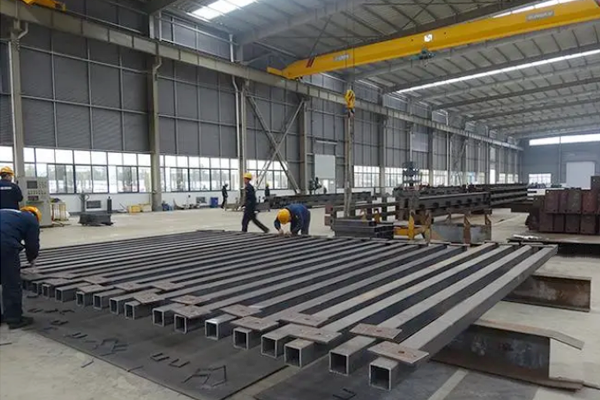
Once designs are finalized, structural components are fabricated in a controlled environment. This is where a manufacturer with organized production systems adds value by delivering consistent quality and supporting batch manufacturing for large projects.
3. Surface Treatment and Inspection
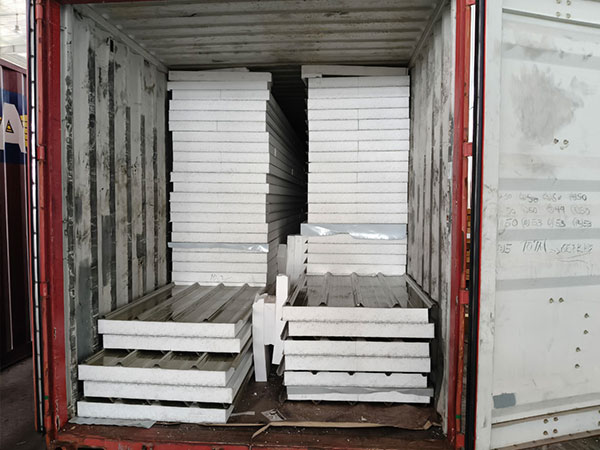
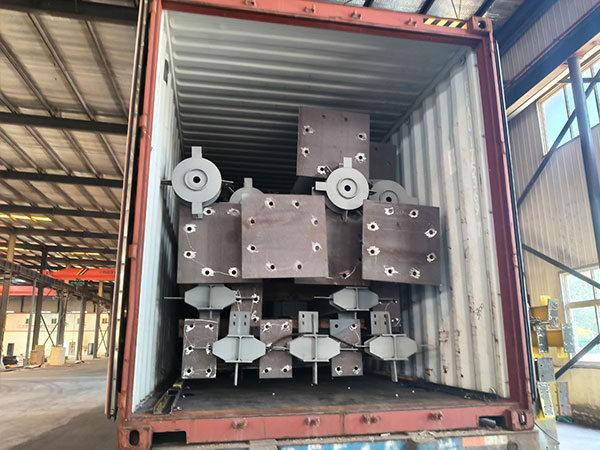
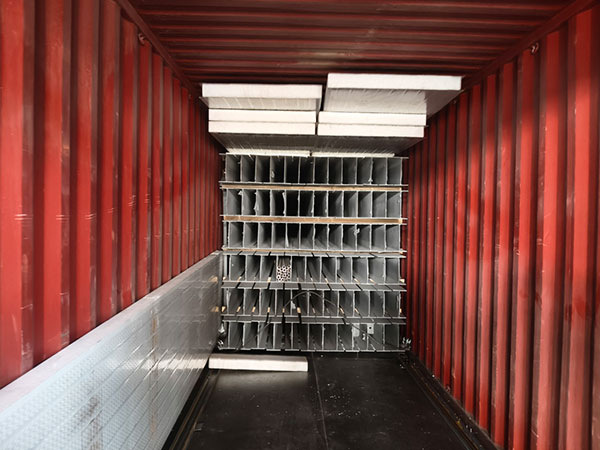
Steel components are treated with protective coatings to improve corrosion resistance and durability. Each piece is inspected to ensure it meets design standards before shipment.
 |  |
4. Transportation and Assembly
Steel elements are transported to the site and assembled using cranes and skilled labor. Because components are pre-engineered, on-site installation is efficient and predictable.
Key Advantages of Steel Structure Buildings
High Strength and Stability
Steel offers excellent load-bearing capacity and performs well under extreme conditions. A steel structure building can withstand heavy loads, strong winds, and seismic activity when properly designed.
Fast Construction Time
Since most components are produced off-site, construction timelines are significantly reduced. Site preparation and production can occur simultaneously, accelerating project delivery.
Cost Efficiency
Although initial material costs may vary, steel structure buildings often reduce overall project costs by minimizing labor, shortening schedules, and lowering maintenance expenses over time.
Design Flexibility
Steel allows for flexible layouts, large spans, and future expansion. This adaptability makes steel structures suitable for both permanent and modular building solutions.
Common Applications of Steel Structure Buildings
Steel structure buildings are used across a wide range of industries, including:
·Industrial factories and workshops
·Warehouses and logistics centers
·Commercial buildings and offices
·Sports facilities and exhibition halls
·Agricultural storage and processing buildings
Thanks to standardized fabrication and scalable production, manufacturers can support everything from small custom projects to large-volume developments.
Steel Structure Building vs Traditional Construction
Compared to concrete or brick construction, steel structure buildings offer several clear advantages:
·Lighter structural weight reduces foundation requirements
·Higher precision due to factory fabrication
·Easier disassembly or relocation if needed
·Better suitability for fast-track projects
Traditional methods may still be preferred in some cases, but steel structures continue to gain popularity due to efficiency and performance.
Why Production Capability Matters
When selecting a steel structure building solution, production capability is a critical factor. A professional manufacturer with stable production capacity and bulk supply capability ensures consistent quality, timely delivery, and reliable support for large or multi-phase projects.
Strong production management also allows for customization without sacrificing standardization, helping projects stay on schedule and within budget.
Future Trends in Steel Structure Buildings
As construction technology advances, steel structure buildings are evolving with improved design software, automated fabrication, and sustainable material processing. These developments further enhance efficiency, accuracy, and environmental performance.
With increasing demand for faster and smarter construction, steel structures are expected to remain a core solution in modern building systems.
Conclusion: Why Steel Structure Buildings Are a Smart Choice
The steel structure building is a proven, efficient, and versatile construction solution for beginners and professionals alike. By combining strength, speed, and design flexibility, steel structures meet the needs of modern industrial and commercial development.
For projects that require consistent quality and reliable delivery, working with a manufacturer supported by organized production and bulk supply systems is essential. As construction demands continue to grow, steel structure buildings will remain a key foundation of the global building industry.
References
GB/T 7714:Chen W F, Lui E M. Handbook of structural engineering[M]. CRC press, 2005.
MLA:Chen, Wai-Fah, and Eric M. Lui. Handbook of structural engineering. CRC press, 2005.
APA:Chen, W. F., & Lui, E. M. (2005). Handbook of structural engineering. CRC press.
-
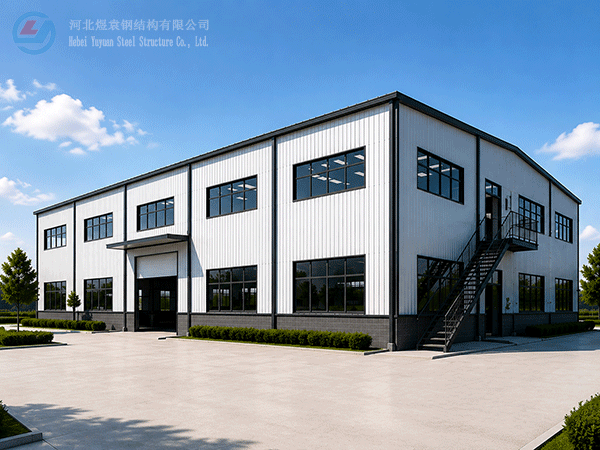
Modern Two-Storey Prefabricated Steel Structure Workshop Building Industrial Shed Construction
-
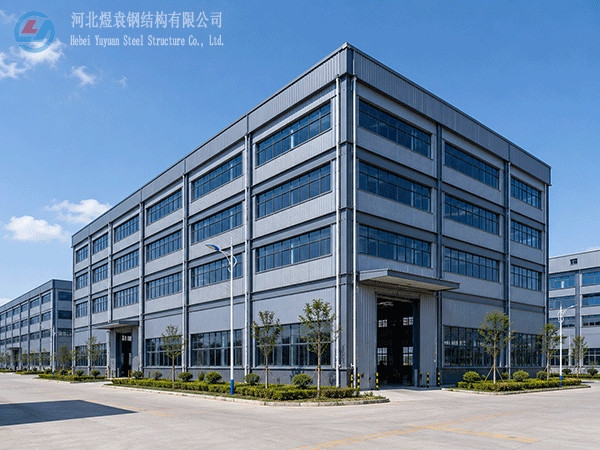
Yuyuan export Steel Structure Warehouse Prefab Steel Structure Warehouse for storage
-
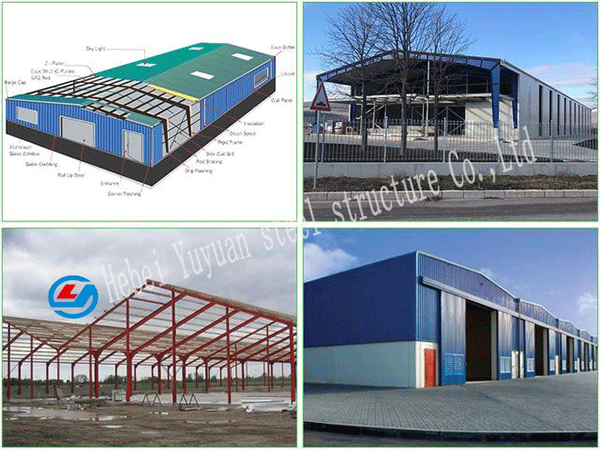
Export steel structure workshops Prefabricated steel structure workshops Light steel structure war
-
High Quality Low Cost Prefabricated Steel Structure Industrial Warehouse Shed
-
Xiao Sheng - Maldives
-
Xiao Sheng - Maldives
-
Xiao Sheng - Maldives
-
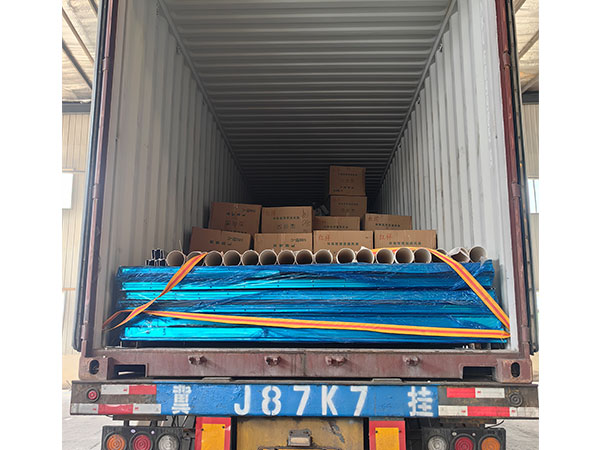
Tanzania, April 20, 2025
Hebei Yuyuan Steel Structure Co., Ltd.
Copyright © 2024-2025 https://www.yysteelwarehouse.com. All Rights Reserved Hebei Yuyuan Steel Structure Co., Ltd. All Rights Reserved.