




- Website -







 Current Location:
NEWS INFORMATION
Yuyuan Steel Structure
What Is a Steel Structure? The 2025 Beginner’s Guide for Construction
AUTHOR:yuyuan DATE:2025-12-03 11:59:26 HITS:60
As a steel structure Manufacturer with full Production capabilities and bulk supply capacity, we often receive questions from new builders, procurement managers, and project owners: “What exactly defines a steel structure, and why is it becoming the preferred system for construction today?”
This comprehensive 2025 guide breaks down the essentials in simple, practical terms.
 |  |
1. Understanding the Concept of a Steel Structure
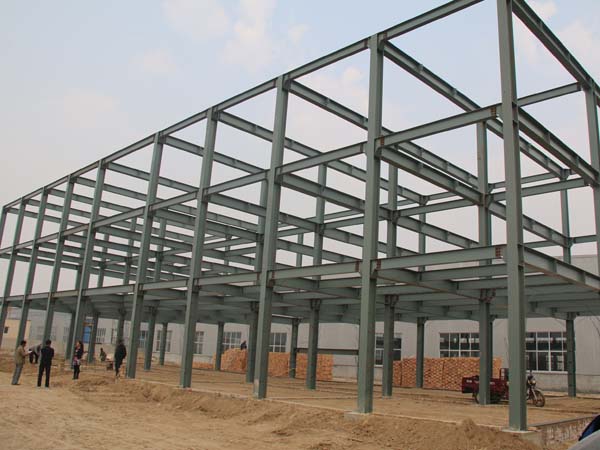
A steel structure refers to a building system in which the main load-bearing framework is constructed entirely from structural steel. These elements typically include:
·Columns and primary beams
·Roof rafters or portal frames
·Trusses for long-span areas
·Secondary members like purlins and girts
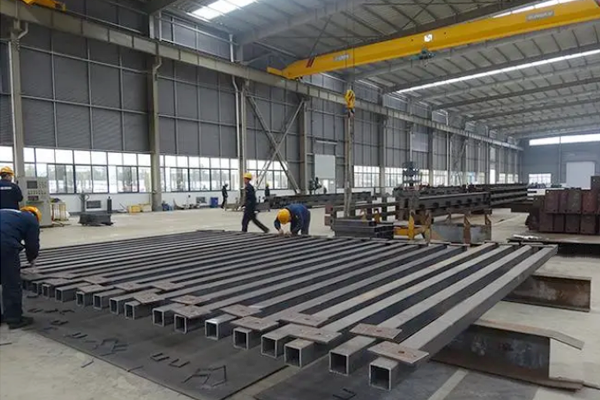
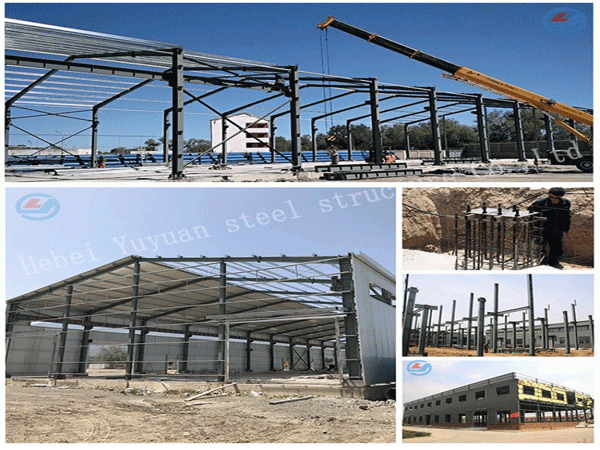
Unlike conventional concrete buildings that require curing time, heavy formwork, and large labor teams, a steel structure is fully fabricated in a controlled factory environment and later assembled on-site through bolting or precise welded joints. This manufacturing method results in higher quality consistency and significantly shorter construction timelines.
2. Why Steel Structures Lead Modern Construction in 2025
2.1 Exceptional Structural Performance
Steel offers one of the highest strength-to-weight ratios among construction materials. Because of this, steel structures can handle:
·Large spans without interior columns
·Heavy snow loads and high winds
·Earthquake forces due to ductility
·Vibrations in industrial operations
This makes the steel structure system ideal for warehouses, industrial workshops, and high-demand logistics facilities.
2.2 Rapid Construction and Predictable Scheduling
Factory-made steel components are produced using:
·CNC-controlled cutting
·Automated or semi-automated welding
·Drilling and shaping equipment
·Advanced anti-corrosion surface treatments
Once shipped to the project site, the building can be erected quickly since each piece is labeled, measured, and pre-assembled during Production checks.
This turns a previously months-long project into a few-week installation, which is why developers and contractors increasingly prefer steel structures in 2025.
2.3 Optimized Cost, Especially for Large Projects
The controlled fabrication environment allows Manufacturers—especially large-scale Production suppliers—to:
·Reduce steel waste
·Improve processing efficiency
·Provide stable pricing for bulk orders
This creates a cost advantage for major construction projects such as logistics parks, agricultural storage, and factory expansions.
2.4 High Sustainability and Environmental Benefits
Sustainability goals have become a decisive factor in modern construction. Steel structures contribute to eco-friendly building by offering:
·Up to 90% recyclability
·Lower on-site pollution
·Reduced energy use compared to traditional methods
·Longer service life with minimal maintenance waste
As global regulations tighten, the steel structure becomes an even more future-proof option.
3. The Key Components of a Steel Structure Building
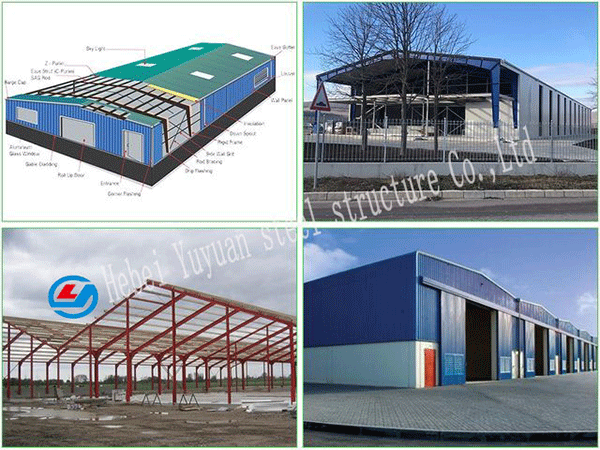
3.1 Main Steel Frame
This includes heavy-duty structural elements like:
·H-type steel beams
·Columns
·Portal frames
·Long-span steel trusses
These form the building’s skeleton and determine its load capacity.
3.2 Secondary Steel Members
These provide support and help distribute loads:
·C/Z purlins
·Girts
·Cross-bracing systems
·Tie rods and stabilizers
They ensure the building remains rigid under wind and seismic conditions.
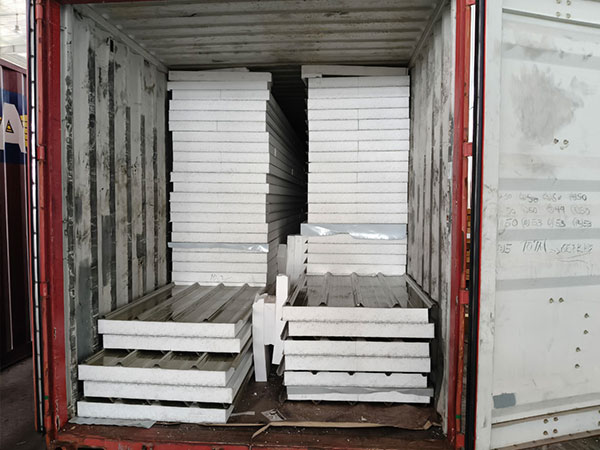
3.3 Cladding & Envelope Systems
Roof and wall systems typically include:
·PU / EPS / rock wool sandwich panels
·Corrugated steel sheets
·Aluminum-zinc coated panels
These components provide insulation, weather resistance, and a protective barrier against humidity and corrosion.
3.4 Accessories and Fastening Solutions
Essential elements such as:
·High-strength bolts
·Anchor bolts
·Roof vents, gutters & downpipes
·Skylights and insulation layers
These ensure complete weatherproofing and improve building comfort and function.
 |  |
4. Where Steel Structures Are Most Commonly Used
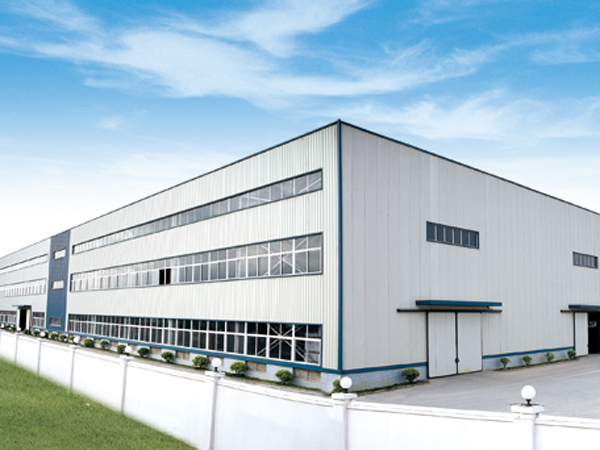
By 2025, the versatility of steel structures has made them a go-to solution in many sectors:
·Logistics warehouses
·Industrial Production workshops
·Prefabricated commercial buildings
·Multi-story steel offices
·Hangars and transportation hubs
·Agricultural storage buildings
·Energy and mining support structures
The combination of durability, affordability, and speed makes steel structures adaptable across industries.
5. How Steel Structures Are Manufactured in a Modern Factory
A steel structure Manufacturer with full Production capability typically follows several steps:
5.1 Material Inspection
Certified steel plates and coils are inspected for thickness, composition, and defects.
5.2 Precision Cutting
Laser, plasma, or CNC cutting machines shape beams and plates according to engineering drawings.
5.3 Welding and Assembly
Automated welding lines ensure consistent penetration and stable joints.
5.4 Surface Protection
To achieve long-term corrosion protection, components undergo:
·Galvanizing
·Shot blasting + epoxy primer
·Powder coating (for mild environments)
5.5 Pre-Assembly & Quality Checks
Large components are trial-fitted to ensure exact alignment before shipping.
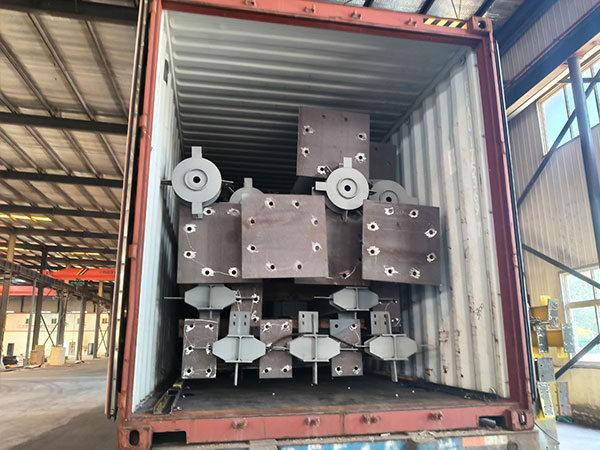
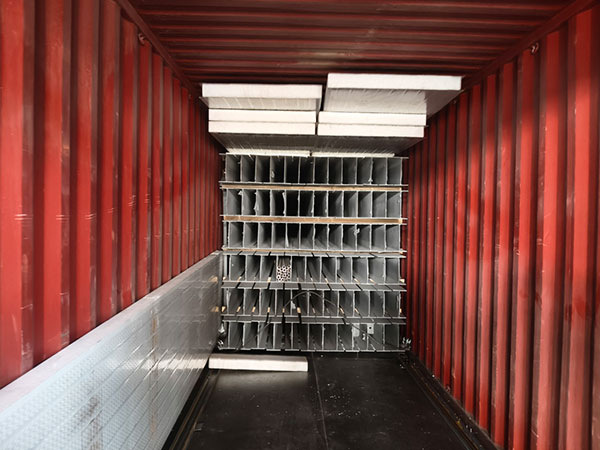
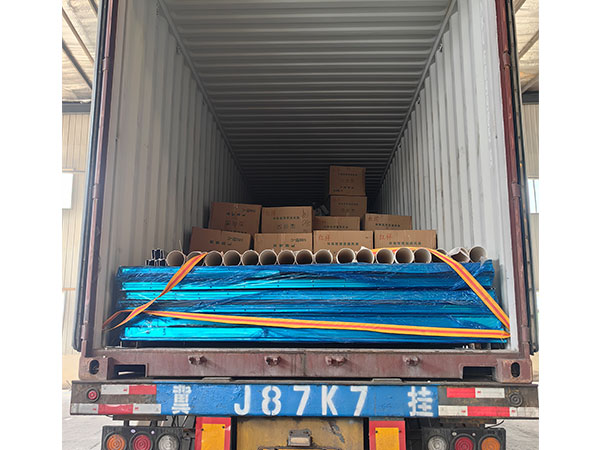
5.6 Packing & Load Planning for Export
All components are labeled and bundled to optimize container space and simplify on-site erection.
This highly standardized Production method is the backbone of the steel structure industry’s global growth.
6. Why Steel Structures Will Continue Dominating in 2025 and Beyond
Several trends support the ongoing rise of steel structures:
·Demand for fast-build facilities to support e-commerce and logistics
·Growing emphasis on sustainable building materials
·Labor shortages driving the shift toward prefab construction
·Technological improvements in automated steel Production
Steel structures fit perfectly into all these trends, making them an essential part of modern construction strategies.
Conclusion
A steel structure is a reliable, efficient, and future-ready building solution that combines speed, strength, sustainability, and cost-effectiveness.
For developers, contractors, and project planners, choosing a steel structure in 2025 is no longer just a preference — it has become a smart, strategic decision.
As a steel structure Manufacturer with stable Production capacity and bulk supply ability, we continue to see strong global demand for this building system.
Whether you’re planning a warehouse, factory, or commercial facility, a steel structure offers the durability and flexibility needed for long-term success.
References
GB/T 7714:Saleem M U, Qureshi H J. Design solutions for sustainable construction of pre engineered steel buildings[J]. Sustainability, 2018, 10(6): 1761.
MLA:Saleem, Muhammad Umair, and Hisham Jahangir Qureshi. "Design solutions for sustainable construction of pre engineered steel buildings." Sustainability 10.6 (2018): 1761.
APA:Saleem, M. U., & Qureshi, H. J. (2018). Design solutions for sustainable construction of pre engineered steel buildings. Sustainability, 10(6), 1761.
-
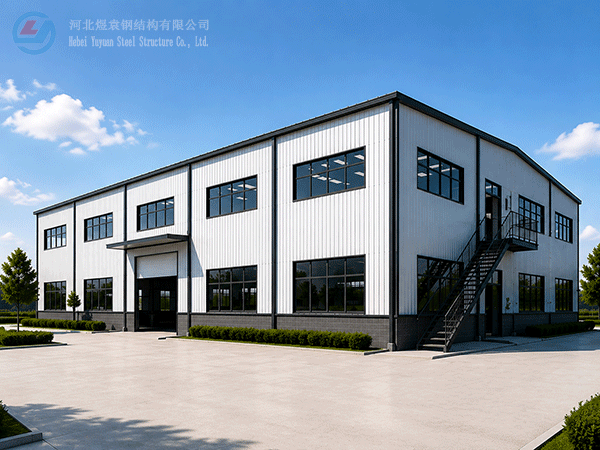
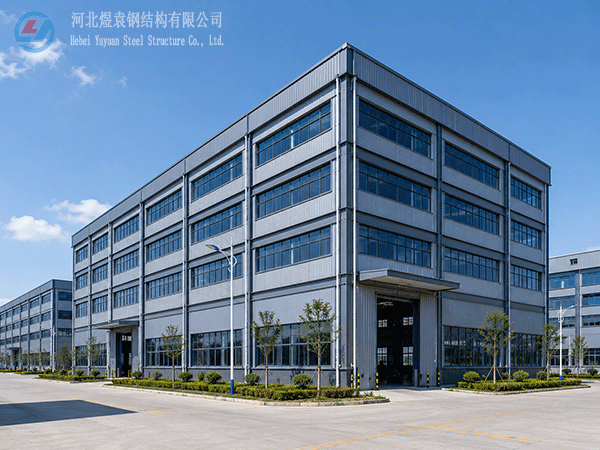
Modern Two-Storey Prefabricated Steel Structure Workshop Building Industrial Shed Construction
-
Yuyuan export Steel Structure Warehouse Prefab Steel Structure Warehouse for storage
-
Export steel structure workshops Prefabricated steel structure workshops Light steel structure war
-
High Quality Low Cost Prefabricated Steel Structure Industrial Warehouse Shed
-
Xiao Sheng - Maldives
-
Xiao Sheng - Maldives
-
Xiao Sheng - Maldives
-
Tanzania, April 20, 2025
Hebei Yuyuan Steel Structure Co., Ltd.
Copyright © 2024-2025 https://www.yysteelwarehouse.com. All Rights Reserved Hebei Yuyuan Steel Structure Co., Ltd. All Rights Reserved.