




- Website -







 Current Location:
NEWS INFORMATION
Yuyuan Steel Structure
Commercial Steel Warehouse Construction Guide: Key Steps and Cost Factors
AUTHOR:yuyuan DATE:2026-05-03 18:45:36 HITS:132
Commercial steel warehouses have become one of the most favored options for modern industrial and logistics facilities. Boasting rapid construction, exceptional durability, and versatile design choices, steel structure warehouses are extensively applied in storage, manufacturing, distribution, and commercial operations. This guide will take you through the key construction steps and important cost considerations, helping you gain a better understanding of how a commercial steel warehouse project is planned and carried out.
1. Planning and Requirement Analysis
The initial step in constructing a commercial steel warehouse is to clarify the project’s requirements. This process involves the following aspects:
Intended application (storage, logistics, production, etc.)
Required building dimensions and height
Load-bearing demands (for heavy equipment or light storage)
Project location and climatic conditions
Budget scope and project schedule
A well-defined planning phase ensures that the final design aligns with operational needs and prevents unnecessary cost overruns during the construction process.
2. Structural Design of Steel Warehouse
Once the requirements are confirmed, engineers initiate the structural design phase. A typical commercial steel warehouse generally consists of the following components:
Main steel frame (columns and beams)
Roof and wall cladding systems
Purlins and bracing systems
Foundation design
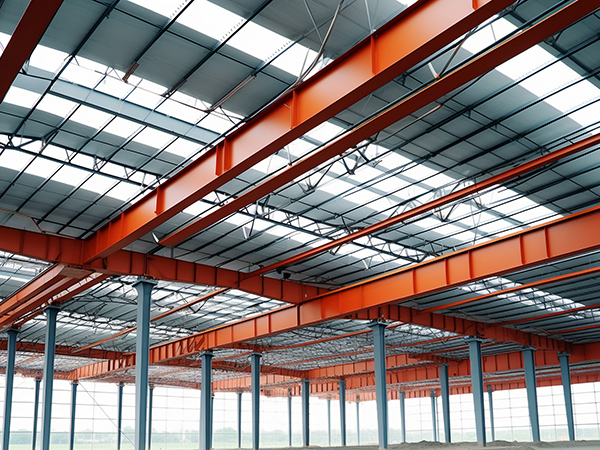
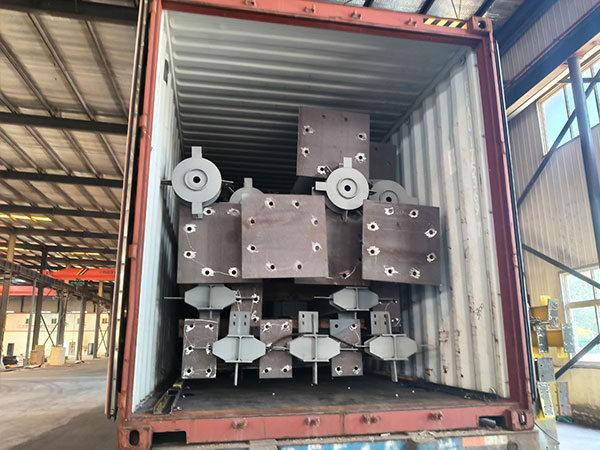
Modern designs frequently adopt prefabricated steel components, which are produced in factories and then assembled on-site. This approach enhances precision, shortens construction time, and ensures superior quality control. Key design considerations include wind load, snow load, seismic conditions, and the building codes and regulations of the project’s location.
3. Material Selection and Fabrication
Material quality is crucial to the durability of a steel warehouse. Common materials used include:
High-strength structural steel
Galvanized steel sheets for roofing and walls
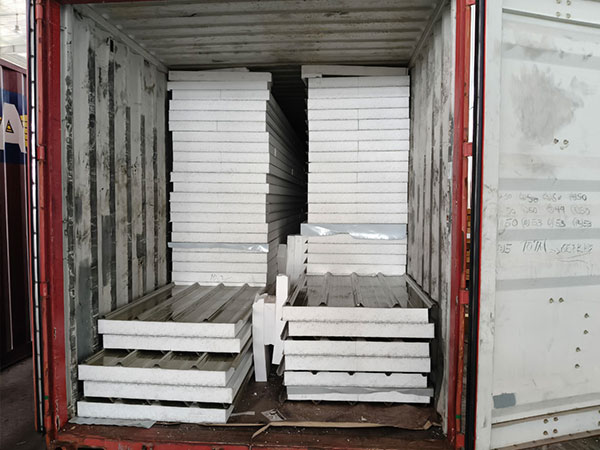
Insulated panels for temperature control (when necessary)
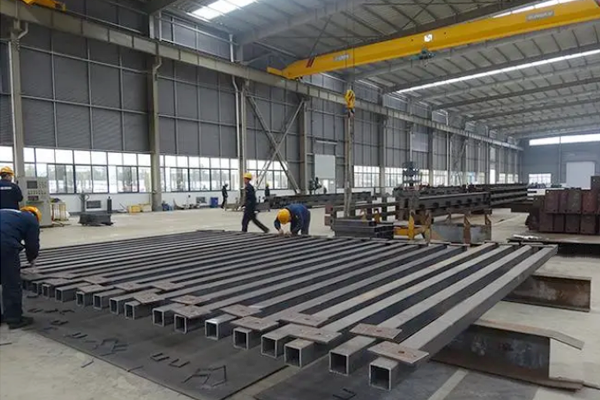
All steel components are typically pre-fabricated in a controlled factory environment. This process guarantees precise cutting, welding, and surface treatments such as anti-rust coating or painting.
4. Foundation Construction
Before installing the steel structure, a solid foundation must be prepared. The type of foundation depends on the soil conditions and the warehouse’s load requirements. Common foundation types include:
Reinforced concrete strip foundations
Independent column footings
Raft foundations for heavy-load structures
Proper foundation construction is essential to ensuring the long-term stability and safety of the entire warehouse structure.
5. Steel Structure Installation
Once the foundation is completed, the installation of the steel frame begins. The main steps are as follows:
Erecting steel columns
Installing beams and connecting joints
Adding roof trusses and bracing systems
Fixing wall and roof panels
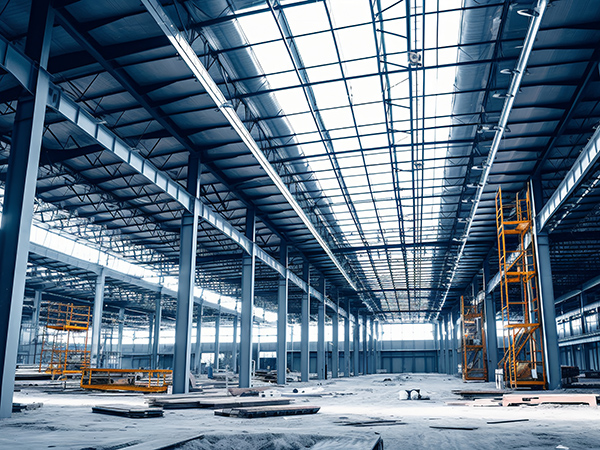
Since most components are pre-engineered, the installation process is fast and efficient. Large-scale warehouses can often be finished within weeks rather than months.
6. Roofing, Cladding, and Finishing
The next step involves installing the building envelope, which includes:
Roof sheets or insulated panels
Wall cladding systems
Doors, windows, and ventilation systems
Optional insulation layers for temperature control
During this stage, additional systems such as lighting, drainage, fire protection, and HVAC can also be integrated based on the project’s specific needs.
7. Key Cost Factors of Commercial Steel Warehouse
The total cost of a commercial steel warehouse is determined by several important factors:
7.1 Building Size and Design Complexity
Larger warehouses require more steel materials and labor, which increases the overall cost. Complex designs also demand more engineering work, further adding to expenses.
7.2 Steel Material Price
Steel prices fluctuate according to global market conditions, which directly impacts the total project cost.
7.3 Location and Transportation
Remote project sites may lead to higher logistics and transportation costs for materials and equipment.
7.4 Foundation Requirements
Poor soil conditions may necessitate stronger and more costly foundations to ensure structural stability.
7.5 Customization Level
Special requirements, such as insulation, crane systems, or multi-story structures, will raise the overall project cost.
7.6 Labor and Installation Costs
Local labor costs and the difficulty of installation also have an impact on the final budget.
8. Advantages of Commercial Steel Warehouses
Investing in a steel structure warehouse offers numerous benefits:
Rapid construction and installation
High strength and long-term durability
Cost-effectiveness compared to traditional buildings
Flexible options for expansion and modification
Low maintenance requirements
Environmentally friendly and recyclable materials
These advantages make steel warehouses an ideal choice for modern commercial and industrial applications.
Conclusion
A commercial steel warehouse is a wise solution for businesses in need of efficient, durable, and scalable storage or production space. From planning and design to installation and cost control, each step plays a vital role in ensuring the success of the project. By understanding the construction process and key cost factors, you can make more informed decisions and achieve better investment outcomes. If you are planning a steel warehouse project, collaborating with an experienced manufacturer can help guarantee better quality, lower costs, and faster delivery.
References
GB/T 7714:Construction Process Optimization and Cost Control of Commercial Steel Warehouses. Journal of Industrial Construction
MLA:Influence of Material Selection on the Durability and Cost of Commercial Steel Warehouses. Steel Structure Technology
APA:Foundation Design and Cost Analysis of Commercial Steel Warehouses Under Different Soil Conditions. Journal of Geotechnical Engineering
-
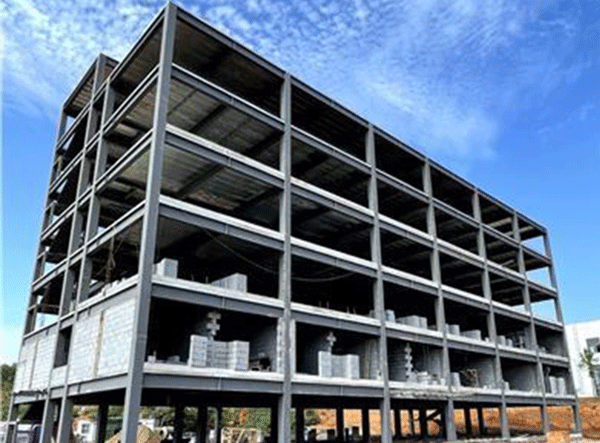
Fast Assembled Multi-Story Steel Structure Workshop Factory For Industrial Use
-
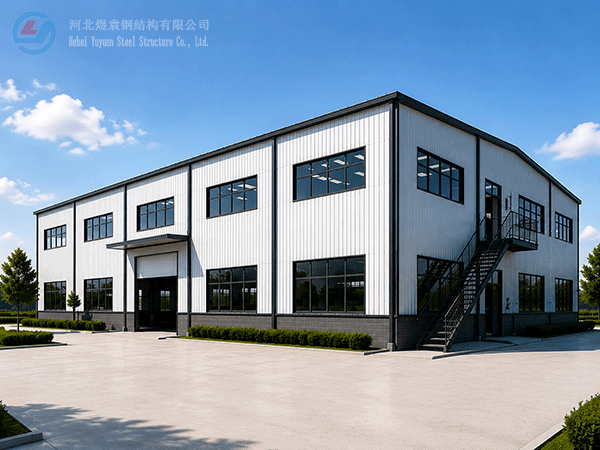
Modern Two-Storey Prefabricated Steel Structure Workshop Building Industrial Shed Construction
-
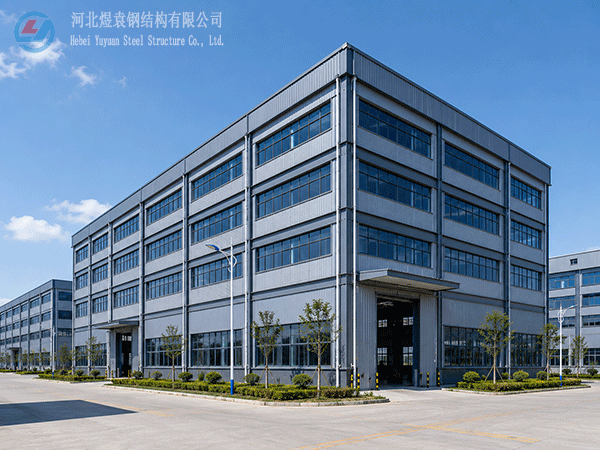
Yuyuan export Steel Structure Warehouse Prefab Steel Structure Warehouse for storage
-
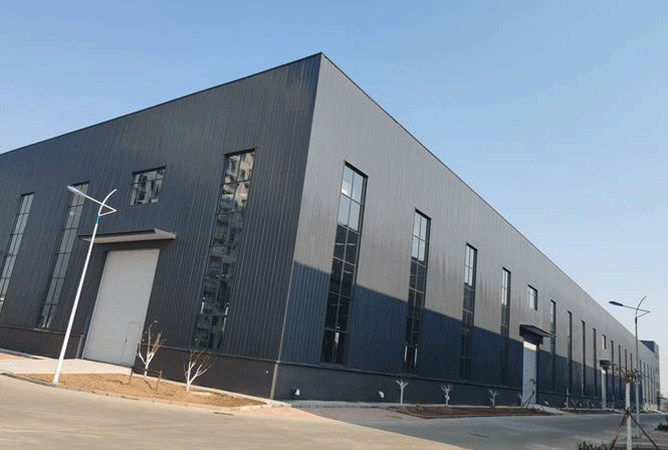
Export steel structure workshops Prefabricated steel structure workshops Light steel structure war
-
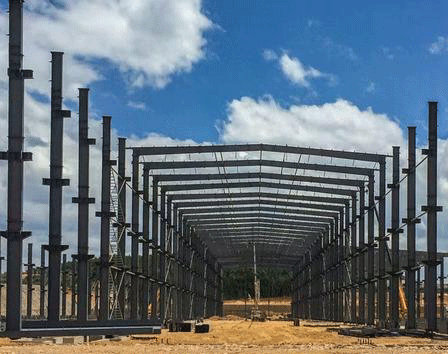
High Quality Low Cost Prefabricated Steel Structure Industrial Warehouse Shed
-
Xiao Sheng - Maldives
-
Xiao Sheng - Maldives
-
Xiao Sheng - Maldives
Hebei Yuyuan Steel Structure Co., Ltd.
Copyright © 2024-2025 https://www.yysteelwarehouse.com. All Rights Reserved Hebei Yuyuan Steel Structure Co., Ltd. All Rights Reserved.