




- Website -







 Current Location:
NEWS INFORMATION
Yuyuan Steel Structure
Designing Efficient Steel Workshops for Maximum Productivity
AUTHOR:yuyuan DATE:2026-04-18 16:58:31 HITS:131
In the modern industrial landscape, efficiency and productivity are key to maintaining competitive advantage. Steel workshops have emerged as the preferred solution for manufacturing, fabrication, and industrial operations due to their durability, flexibility, and cost-effectiveness. Properly designing a steel workshop can significantly enhance workflow, reduce downtime, and improve overall operational efficiency.
1. Strategic Layout Planning
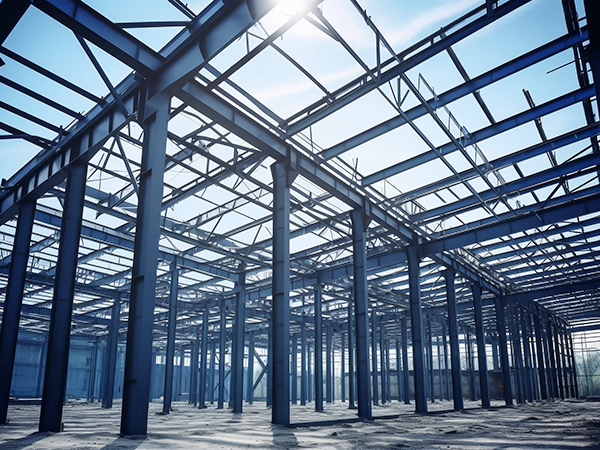
The foundation of an efficient steel workshop starts with a well-planned layout. A strategically designed floor plan minimizes unnecessary movement of personnel and materials, optimizing workflow between workstations.
Key considerations include the placement of machinery, storage areas, and assembly lines to create logical sequences for material handling. Additionally, pathways for forklifts or trolleys should be clearly defined to reduce congestion and prevent accidents. Optimized layouts directly contribute to higher productivity and a safer working environment.
2. Structural Design for Flexibility and Durability
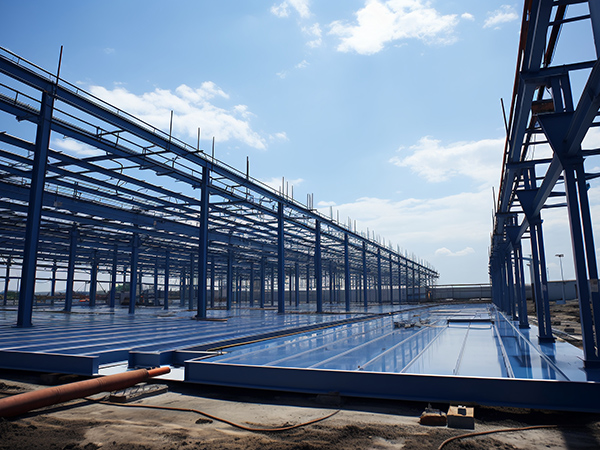
Steel provides unmatched strength and adaptability compared to traditional building materials. The structural framework must support heavy machinery, overhead cranes, and storage racks while allowing for future expansions or reconfigurations.
Using modular steel components allows workshops to scale operations as business needs change. High-quality steel also ensures resistance to fire, pests, and extreme weather, reducing maintenance costs and extending the lifespan of the facility. A durable and flexible workshop design is critical to long-term productivity.
3. Lighting and Ventilation Optimization
Efficient steel workshops require proper lighting and ventilation to maintain employee performance and equipment efficiency. Natural lighting reduces energy costs and creates a more comfortable working environment, while strategically placed artificial lighting ensures visibility in areas with low natural light.
Ventilation is equally important to remove heat, dust, and fumes generated by industrial processes. Installing exhaust fans, air circulation systems, and proper roof ventilation not only enhances safety but also contributes to higher worker productivity and improved air quality.
4. Workflow and Process Optimization
Maximizing productivity in a steel workshop also involves analyzing workflow and process efficiency. Workstations should be organized based on process sequences, reducing idle time and bottlenecks.
Lean manufacturing principles, such as just-in-time (JIT) material supply and standardized work procedures, can be integrated into the workshop design. These strategies streamline operations, minimize waste, and ensure consistent output quality, all of which enhance overall productivity.
5. Safety and Compliance
An efficient workshop is also a safe workshop. Steel structures inherently provide fire resistance and structural stability. However, safety considerations extend beyond the materials.
Workshops should include clear emergency exits, fire suppression systems, and safety signage. Regular inspections, compliance with local building codes, and adherence to occupational safety standards help prevent accidents and protect both personnel and assets. A safe environment reduces downtime caused by incidents and enhances workforce confidence and efficiency.
6. Technological Integration
Modern steel workshops benefit greatly from integrating technology into operations. Automation systems, CNC machinery, and digital monitoring tools can be incorporated into the workshop layout to optimize production.
Using software for inventory management, equipment tracking, and workflow analytics allows managers to make data-driven decisions. Technology integration increases operational transparency, reduces human error, and supports continuous improvement initiatives that drive maximum productivity.
7. Sustainability Considerations
Sustainability is increasingly important in industrial construction. Steel is 90% recyclable and often manufactured with high recycled content, making it an environmentally responsible choice.
Energy-efficient insulation, LED lighting, and renewable energy integration can further reduce operational costs and environmental impact. A sustainable workshop not only aligns with regulatory requirements and corporate responsibility goals but also enhances the long-term economic performance of the facility.
Conclusion
Designing an efficient steel workshop requires a holistic approach that combines structural integrity, optimized workflow, advanced technology, and safety compliance. By strategically planning the layout, utilizing durable and flexible steel structures, and integrating modern industrial practices, businesses can maximize productivity while minimizing operational costs.
Steel workshops offer a professional, reliable, and adaptable solution for industrial and manufacturing operations. With careful design and implementation, they enable businesses to maintain a competitive edge, ensure employee safety, and achieve long-term operational efficiency.
References
GB/T 7714:The business value of IT investments on supply chain: A contingency perspective. International Journal of Production Economics
MLA:Lean manufacturing implementation using simulation modeling for workflow optimization in manufacturing system. Journal of Manufacturing Systems
APA:The effects of green innovation on environmental and corporate performance: A stakeholder perspective. Journal of Business Ethics
-
Fast Assembled Multi-Story Steel Structure Workshop Factory For Industrial Use
-
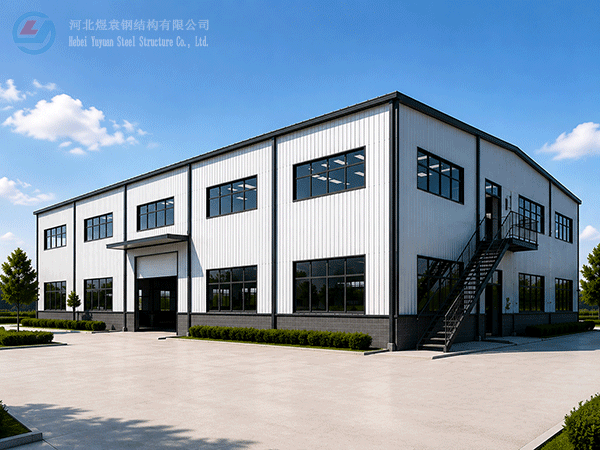
Modern Two-Storey Prefabricated Steel Structure Workshop Building Industrial Shed Construction
-
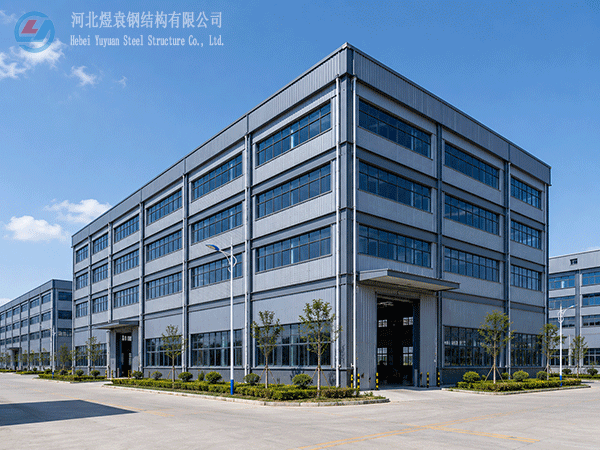
Yuyuan export Steel Structure Warehouse Prefab Steel Structure Warehouse for storage
-
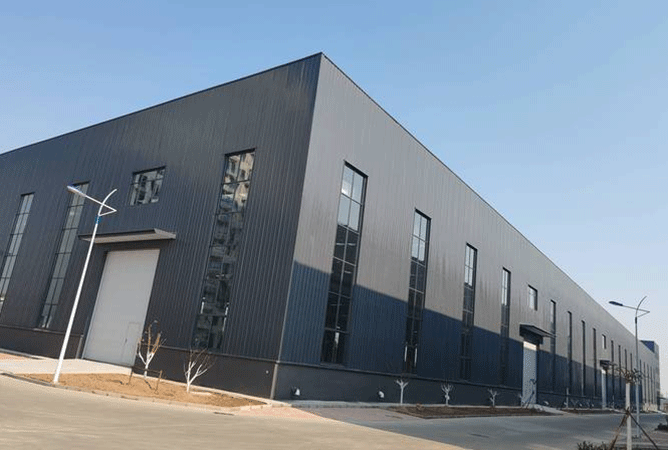
Export steel structure workshops Prefabricated steel structure workshops Light steel structure war
-
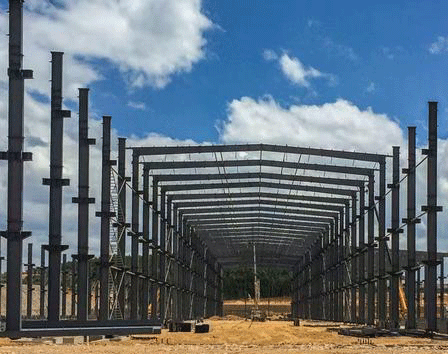
High Quality Low Cost Prefabricated Steel Structure Industrial Warehouse Shed
-
Xiao Sheng - Maldives
-
Xiao Sheng - Maldives
-
Xiao Sheng - Maldives
Hebei Yuyuan Steel Structure Co., Ltd.
Copyright © 2024-2025 https://www.yysteelwarehouse.com. All Rights Reserved Hebei Yuyuan Steel Structure Co., Ltd. All Rights Reserved.