




- Website -







 Current Location:
NEWS INFORMATION
Yuyuan Steel Structure
H Steel Structure Production and Applications
AUTHOR:yuyuan DATE:2026-05-24 20:20:34 HITS:149
H Steel Structure Production and Applications
H steel sections serve as the backbone of modern steel construction, providing exceptional strength-to-weight ratios for columns, beams, and load-bearing frameworks. Understanding H steel production processes, specifications, and applications helps engineers, architects, and project owners make informed decisions for their structural requirements.
H Steel Production Process
H steel sections are manufactured through two primary methods: rolling and welding. Rolled H sections are produced by heating billets and passing them through series of rolls that form the H shape. Welded H sections use automated submerged arc welding (SAW) lines that join flange and web plates into H profiles of virtually any dimension.
Professional H steel manufacturers maintain both production capabilities, offering standard rolled sections for common applications and custom welded sections for projects requiring non-standard dimensions or high-strength steel grades. This dual capability ensures optimal solutions for diverse structural requirements.
Production Lines and Equipment
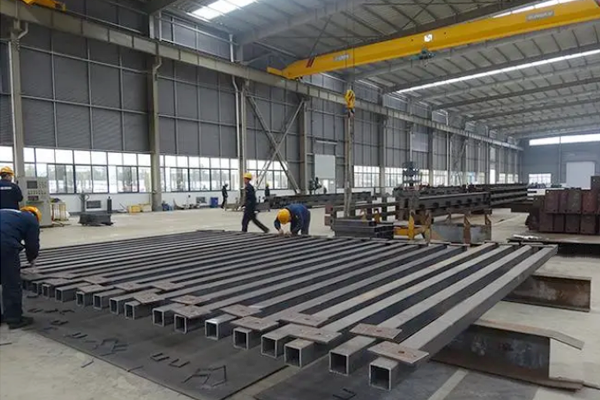
Modern H steel production relies on sophisticated equipment for consistent quality and high productivity. CNC plasma/oxy-fuel cutting machines prepare feed stock to precise lengths. Automatic welding lines with multiple welding heads complete seams in single passes. Straightening machines correct thermal distortion from welding.
Leading steel structure factories invest in advanced production lines that integrate cutting, assembly, welding, and straightening into continuous workflows. These automated systems produce H steel sections with tight dimensional tolerances and consistent mechanical properties throughout production runs.
Quality Control and Testing
H steel quality directly affects structural safety and performance. Reputable manufacturers implement comprehensive quality control covering raw material inspection, dimensional verification during production, weld inspection using ultrasonic testing (UT) or radiographic testing (RT), and final dimensional audits before shipment.
Experienced H steel suppliers maintain ISO 9001 quality management certification and can provide mill test reports (MTRs), weld procedure specifications (WPS), and welder qualification records (WQR). These documentation packages demonstrate compliance with project specifications and building codes.
Specifications and Dimensions
H steel sections come in standardized dimensions defined by national and international standards. Common specifications include Chinese GB standards, European EN standards, American ASTM/AISC standards, and Australian AS standards. Understanding dimensional tolerances, weight per meter, and section properties helps in accurate structural design.
Quality-focused steel structure suppliers stock comprehensive inventories covering standard sections and can produce custom dimensions for specialized applications. They provide detailed section property tables, load capacity charts, and connection design recommendations that support efficient structural engineering.
Applications in Construction
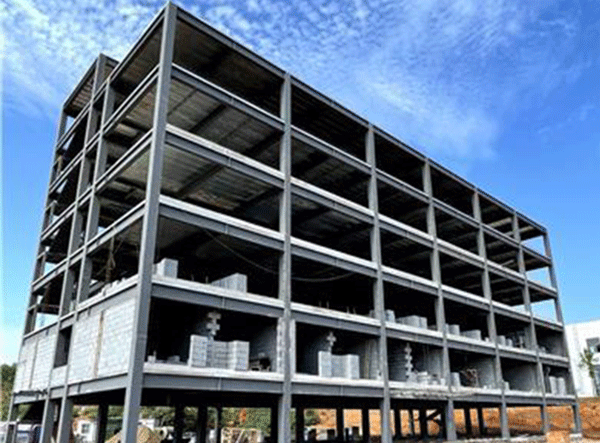
H steel sections find extensive use across construction sectors. High-rise buildings use heavy H columns and beams for primary framing. Industrial workshops employ H sections for columns, rafters, crane runway beams, and mezzanine supports. Bridges incorporate H sections for piers, girders, and cross-frames.
Reputable structural steel suppliers understand application-specific requirements like seismic performance, fire resistance ratings, and corrosion protection needs. They can recommend appropriate steel grades, connection details, and protective systems that ensure project success across diverse structural applications.
Surface Treatment and Protection
H steel sections require surface protection for durability. Common treatments include hot-dip galvanizing for immersed or buried conditions, epoxy coatings for industrial environments, and intumescent coatings for fire resistance. Proper surface preparation through blasting ensures coating adhesion and longevity.
Established steel structure manufacturers operate in-house blasting and coating facilities, providing complete surface preparation and coating services. This integrated capability ensures coating quality, reduces project lead times, and provides single-source responsibility for both structural steel and protective systems.
Making Informed Procurement Decisions
H steel procurement requires evaluating multiple factors: steel grade, dimensional accuracy, straightness tolerances, surface quality, documentation package, and delivery schedule. Engage experienced suppliers early in the project planning process, provide comprehensive specification requirements, and request material test certifications with shipments.
The H steel section remains fundamental to modern construction across countless applications. By understanding production processes, quality requirements, and supplier capabilities, project teams can source structural steel that delivers safety, performance, and value throughout the structure's service life.
References
American Institute of Steel Construction (AISC) - Steel Construction Manual
International Organization for Standardization (ISO) - ISO 9001 Quality Management Systems
Chinese National Standards (GB) - GB/T 11263 Hot-rolled H-section Steel
-
Fast Assembled Multi-Story Steel Structure Workshop Factory For Industrial Use
-
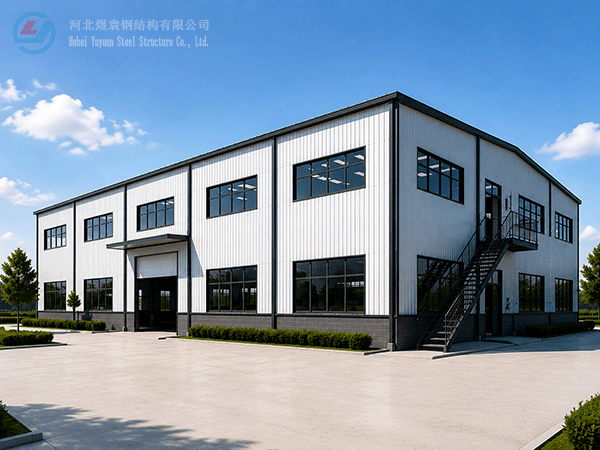
Modern Two-Storey Prefabricated Steel Structure Workshop Building Industrial Shed Construction
-
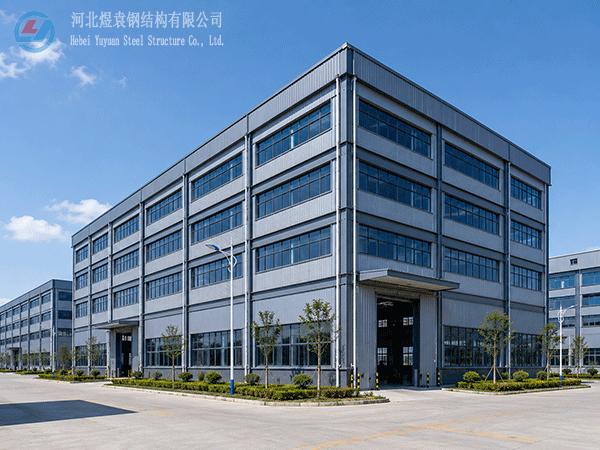
Yuyuan export Steel Structure Warehouse Prefab Steel Structure Warehouse for storage
-
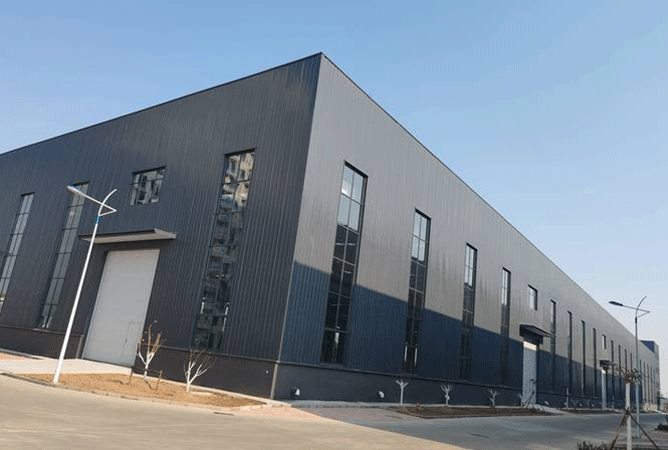
Export steel structure workshops Prefabricated steel structure workshops Light steel structure war
-
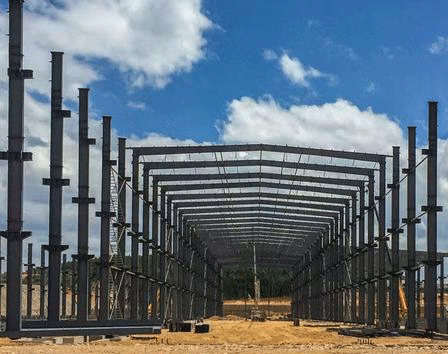
High Quality Low Cost Prefabricated Steel Structure Industrial Warehouse Shed
-

Xiao Sheng - Maldives
-
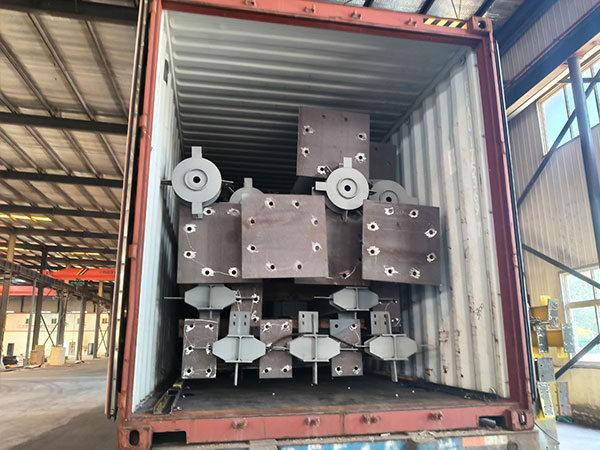
Xiao Sheng - Maldives
-
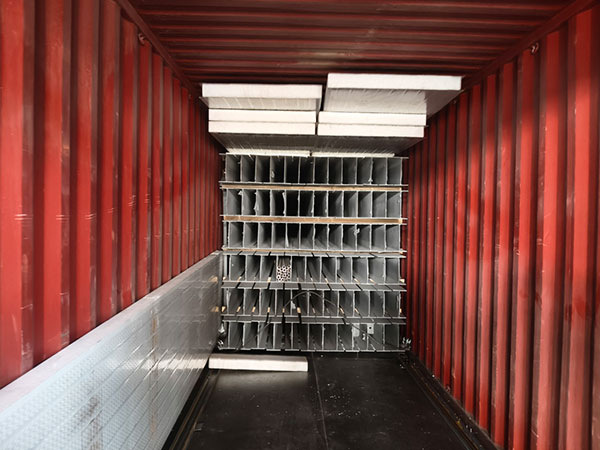
Xiao Sheng - Maldives
Hebei Yuyuan Steel Structure Co., Ltd.
Copyright © 2024-2025 https://www.yysteelwarehouse.com. All Rights Reserved Hebei Yuyuan Steel Structure Co., Ltd. All Rights Reserved.