




- Website -







 Current Location:
NEWS INFORMATION
Yuyuan Steel Structure
Prefabricated Steel Structure Warehouse Cost Guide: What Affects the Final Budget?
AUTHOR:yuyuan DATE:2026-01-17 17:17:08 HITS:92
Why Warehouse Cost Planning Matters
Warehouses play a critical role in logistics, manufacturing, and distribution systems. As demand for faster construction and scalable storage facilities grows, the prefabricated steel structure warehouse has become a widely adopted building solution. While these structures are known for cost efficiency and rapid installation, the final budget can vary depending on several technical and project-related factors.
This guide explains what influences the total cost of a prefabricated steel structure warehouse and how project planners can better estimate and control their investment.
What Is a Prefabricated Steel Structure Warehouse?
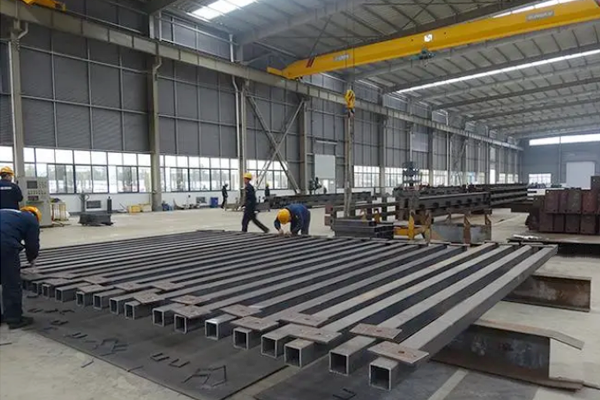
A prefabricated steel structure warehouse is a building system composed of steel components that are designed, fabricated, and processed in a factory environment before being delivered to the site for assembly. Structural elements such as columns, beams, roof systems, and wall panels are produced based on engineering drawings.
Compared with traditional masonry or concrete warehouses, prefabricated steel warehouses offer predictable quality, shorter construction cycles, and flexible design options suitable for future expansion.
 |  |
Key Factors That Affect the Final Warehouse Budget
1. Warehouse Size and Clear Span Requirements
The overall footprint of the warehouse is one of the most direct cost drivers. Larger floor areas and wider clear spans require more steel and stronger structural members.
Key considerations include:
·Building length and width
·Internal column-free span
·Storage height requirements
Optimizing space usage helps control steel consumption without compromising functionality.
2. Structural Design and Load Conditions
Design loads significantly affect steel usage and fabrication complexity. A prefabricated steel structure warehouse must be engineered to withstand environmental and operational loads such as wind, snow, seismic forces, and internal equipment loads.
Higher load requirements lead to heavier sections and increased material cost. Accurate design input at an early stage helps avoid unnecessary overdesign.
3. Steel Material Selection
Material selection has a direct impact on budget. Steel grade, section size, and thickness influence both structural performance and cost.
Price fluctuations in the steel market also affect overall project estimates, making it important to align material selection with actual performance needs rather than theoretical maximums.
4. Production and Fabrication Efficiency
Factory-based production is a key advantage of prefabricated steel structure warehouses. Controlled fabrication processes reduce material waste and improve dimensional accuracy.
From a manufacturer perspective, standardized fabrication workflows and repeatable processes support stable pricing, especially for projects requiring bulk supply of similar warehouse structures. Efficient production planning helps maintain predictable lead times and cost control.
5. Roof and Wall Systems
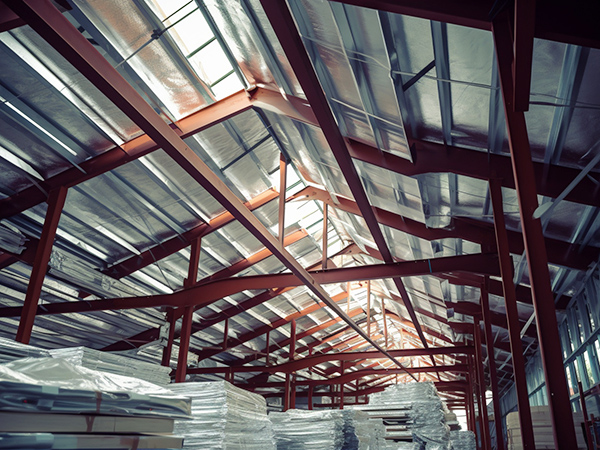
Roofing and cladding systems represent a significant portion of warehouse costs. Common options include single-layer steel sheets or insulated sandwich panels.
Factors influencing cost include:
·Thermal insulation requirements
·Ventilation and daylighting features
·Climate and environmental exposure
Selecting the appropriate system based on operational needs can optimize long-term value rather than focusing solely on initial cost.
6. Surface Treatment and Corrosion Protection
Protective treatments such as painting or galvanization extend the service life of a prefabricated steel structure warehouse. While advanced coating systems increase upfront cost, they reduce long-term maintenance expenses, particularly in corrosive or coastal environments.
Balancing durability with environmental exposure is essential for cost-effective decision-making.
7. Transportation and Logistics
Transportation costs depend on the distance between the fabrication facility and the construction site, as well as component size and weight. Larger components may require special handling or transport arrangements.
Design optimization that considers logistics early can reduce unnecessary shipping costs and simplify on-site assembly.
8. Installation and Site Conditions
Although prefabricated steel structure warehouses are faster to assemble, installation costs still vary based on site conditions, labor availability, and foundation readiness.
Well-prepared sites and clear installation schedules help minimize delays and additional labor expenses.
Cost Comparison: Prefabricated Steel Warehouse vs Traditional Warehouses
Compared to conventional construction methods, prefabricated steel structure warehouses typically offer:
·Shorter construction timelines
·Reduced on-site labor requirements
·More predictable cost structures
While initial material costs may be similar, savings from reduced construction time and improved efficiency often result in a lower overall project cost.
Budget Optimization Strategies for Warehouse Projects
To better control the cost of a prefabricated steel structure warehouse, project planners should:
·Finalize functional requirements early
·Avoid unnecessary structural complexity
·Standardize component dimensions where possible
·Coordinate design, production, and installation phases
Integrated planning across all stages leads to improved cost predictability.
Long-Term Value Beyond Initial Cost
A prefabricated steel structure warehouse is not only a cost-efficient solution but also a long-term asset. Steel structures allow for easy modification, expansion, and relocation, supporting changing operational needs over time.
Durability, low maintenance requirements, and adaptability contribute to favorable life-cycle costs.
Conclusion: Planning a Cost-Effective Prefabricated Steel Structure Warehouse
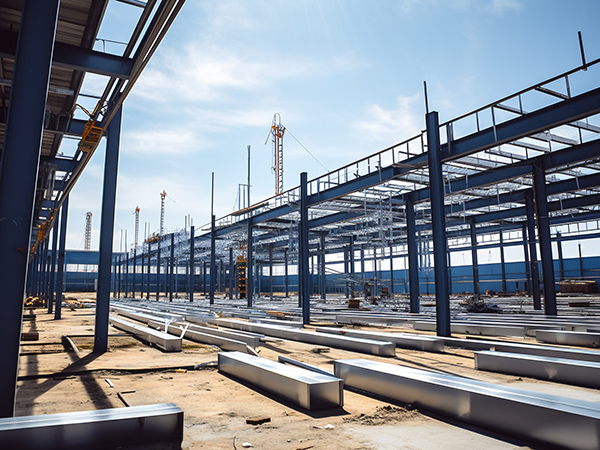
The final budget of a prefabricated steel structure warehouse is shaped by design choices, material selection, production efficiency, logistics, and installation conditions. Understanding these factors enables better planning and more accurate cost estimation.
With proper coordination and informed decision-making, prefabricated steel structure warehouses remain a reliable and economical solution for modern storage and logistics facilities.
References
GB/T 7714:Blismas N, Pasquire C, Gibb A. Benefit evaluation for off‐site production in construction[J]. Construction management and Economics, 2006, 24(2): 121-130.
MLA:Blismas, Nick, Christine Pasquire, and Alistair Gibb. "Benefit evaluation for off‐site production in construction." Construction management and Economics 24.2 (2006): 121-130.
APA:Blismas, N., Pasquire, C., & Gibb, A. (2006). Benefit evaluation for off‐site production in construction. Construction management and Economics, 24(2), 121-130.
-
Fast Assembled Multi-Story Steel Structure Workshop Factory For Industrial Use
-
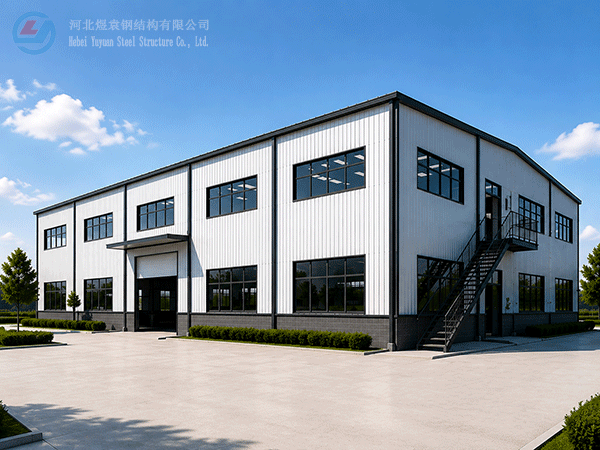
Modern Two-Storey Prefabricated Steel Structure Workshop Building Industrial Shed Construction
-
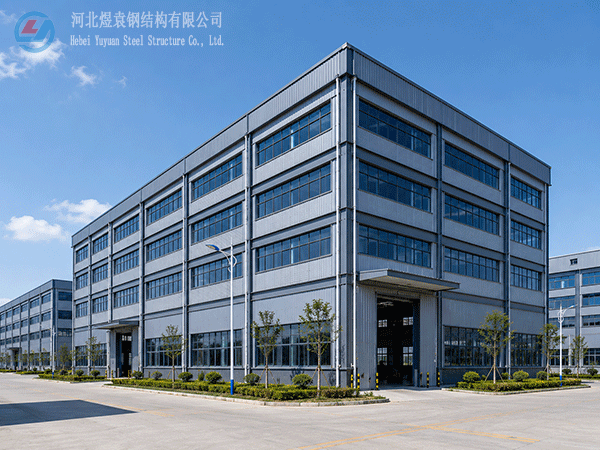
Yuyuan export Steel Structure Warehouse Prefab Steel Structure Warehouse for storage
-
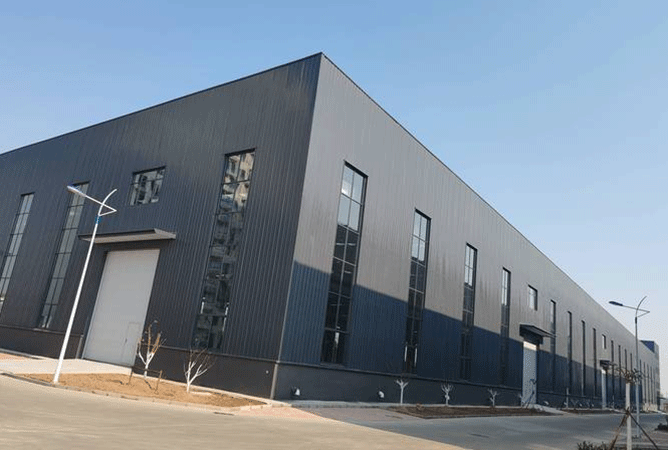
Export steel structure workshops Prefabricated steel structure workshops Light steel structure war
-
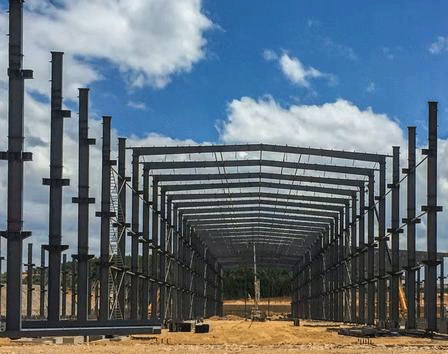
High Quality Low Cost Prefabricated Steel Structure Industrial Warehouse Shed
-
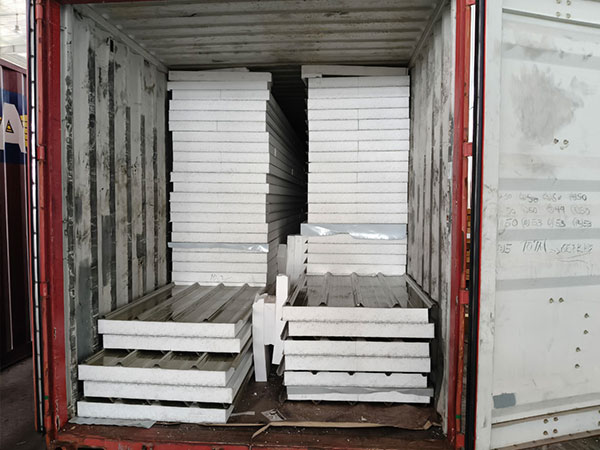
Xiao Sheng - Maldives
-
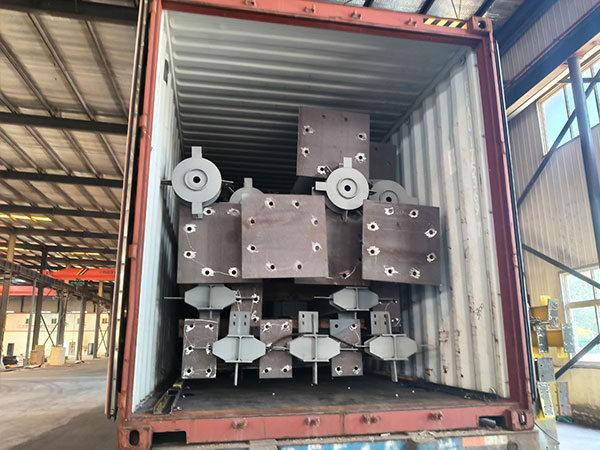
Xiao Sheng - Maldives
-
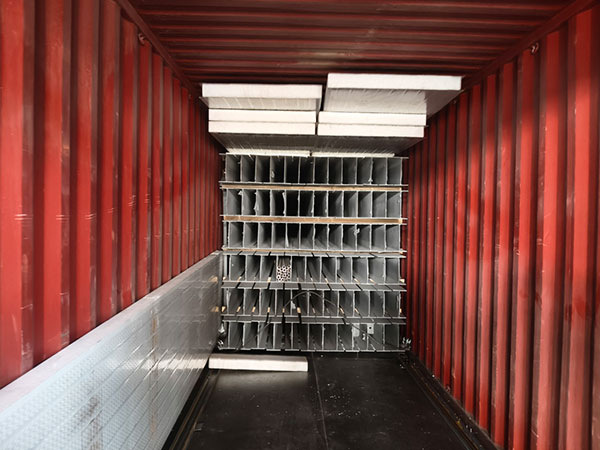
Xiao Sheng - Maldives
Hebei Yuyuan Steel Structure Co., Ltd.
Copyright © 2024-2025 https://www.yysteelwarehouse.com. All Rights Reserved Hebei Yuyuan Steel Structure Co., Ltd. All Rights Reserved.