




- Website -







 Current Location:
NEWS INFORMATION
Yuyuan Steel Structure
Steel Structure Manufacturing Process Explained
AUTHOR:yuyuan DATE:2026-02-04 20:46:43 HITS:135
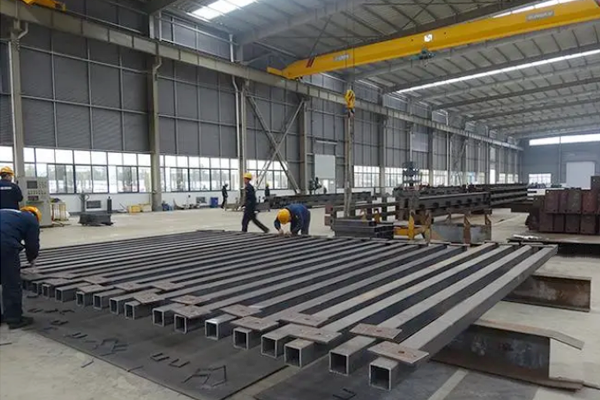
In modern construction and industrial engineering, steel structure manufacturing plays a critical role in delivering strong, scalable, and cost-efficient building solutions. From warehouses and workshops to commercial and infrastructure projects, steel structures depend on controlled production, material precision, and reliable factory workflows.
Behind every high-performance system is a professional steel structure manufacturing manufacturer supported by automated factory production capability and stable bulk supply. By shifting fabrication from job sites into industrial environments, manufacturers achieve higher accuracy, better quality control, and faster project delivery.
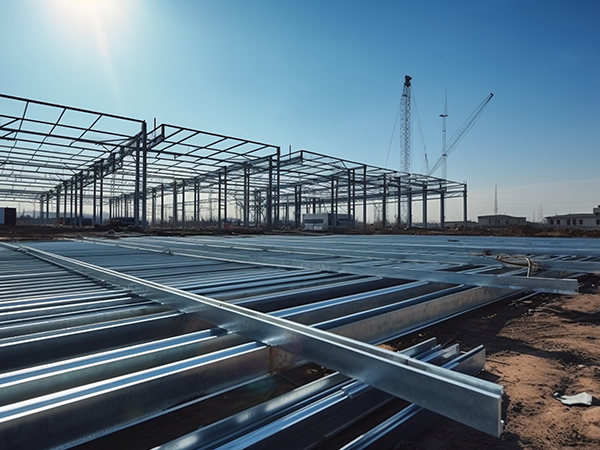
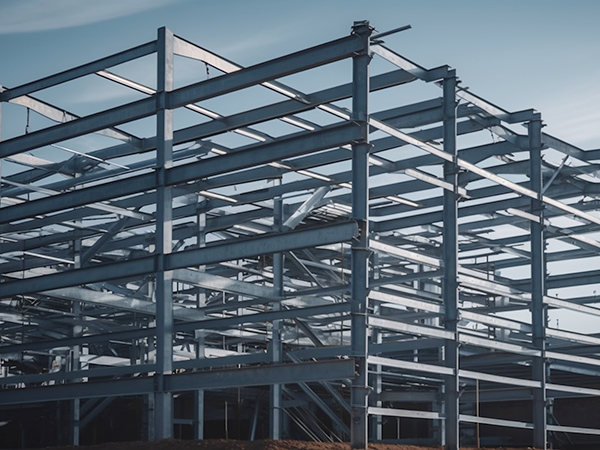
This article explains the full steel structure manufacturing process and how factory production turns raw steel into ready-to-install structural systems.
 |  |
What Is Steel Structure Manufacturing?
Steel structure manufacturing refers to the industrial process of converting steel materials into load-bearing structural components such as beams, columns, trusses, frames, and connection systems.
Key objectives include:
·Dimensional accuracy
·Structural strength
·Surface protection
·Assembly compatibility
·Scalable production
A factory-based production model allows manufacturers to standardize fabrication steps and deliver consistent quality for bulk manufacturing projects.
Step 1: Raw Material Selection and Inspection
The steel structure manufacturing process starts with raw material preparation. Typical materials include:
·Carbon steel plates
·Structural sections
·Pipes and tubes
·High-strength bolts
Before production begins, factory teams perform:
·Chemical composition checks
·Mechanical property testing
·Surface defect inspection
·Thickness verification
This stage ensures only qualified materials enter the manufacturing line, protecting the final structural performance.
Step 2: Cutting and Shaping
After inspection, steel components are cut into required dimensions.
Common factory cutting methods include:
·CNC flame cutting
·Plasma cutting
·Laser cutting
·Sawing and shearing
Automated production equipment allows manufacturers to maintain tight tolerances while minimizing material waste. Precision cutting is a core advantage of modern steel structure manufacturing compared with on-site fabrication.
Step 3: Drilling and Machining
Once shaped, components move to drilling and machining stations.
This stage includes:
·Bolt hole drilling
·Slot machining
·Edge finishing
·Surface smoothing
Factory production systems use CNC machines to ensure alignment accuracy. Proper machining allows fast assembly on construction sites, reducing rework and installation time.
Step 4: Welding and Assembly
Welding is one of the most important steps in steel structure manufacturing.
Typical processes include:
·MIG and MAG welding
·Submerged arc welding
·Robotic welding lines
·Manual reinforcement welding
Manufacturers integrate automated welding systems into factory production to improve consistency and penetration quality. Weld seams are inspected using visual testing, ultrasonic testing, or magnetic particle inspection.
Partial assembly may also occur at this stage, forming sub-modules that simplify on-site installation.
Step 5: Straightening and Dimensional Correction
During welding, heat may cause deformation. Therefore, steel structure manufacturing includes correction steps such as:
·Flame straightening
·Hydraulic pressing
·Mechanical alignment
Factory technicians restore geometry accuracy so components fit perfectly during final assembly. This step ensures structural stability and aesthetic consistency for bulk production projects.
Step 6: Surface Treatment and Coating
Surface protection is essential for long-term performance.
Steel structure manufacturing factories typically apply:
·Shot blasting for rust removal
·Primer coating
·Anti-corrosion paint
·Galvanizing (optional)
Production control ensures coating thickness and adhesion meet design requirements. Proper surface treatment protects steel structures from corrosion, humidity, and chemical exposure in industrial environments.
Step 7: Pre-Assembly and Trial Fitting
Before shipment, many manufacturers perform trial assembly in the factory.
Benefits include:
·Verifying hole alignment
·Checking component compatibility
·Identifying design deviations
·Reducing site installation risk
Factory production teams simulate installation conditions to ensure steel structure manufacturing outputs are ready for fast on-site assembly.
Step 8: Quality Inspection and Testing
Quality control is integrated throughout the manufacturing process.
Inspection items include:
·Dimensional accuracy
·Weld integrity
·Surface finish
·Load-bearing consistency
·Packaging safety
A professional steel structure manufacturing factory applies standardized inspection procedures to guarantee batch consistency for bulk supply customers.
Automation in Steel Structure Manufacturing
Modern factories rely heavily on automation.
Advantages include:
·Faster production cycles
·Lower defect rates
·Stable batch quality
·Digital tracking systems
·Scalable manufacturing
Automation allows manufacturers to increase output without sacrificing precision, supporting large industrial and commercial projects.
Customization Within Factory Production
Although production is standardized, flexibility remains essential.
Steel structure manufacturing factories support:
·Variable spans and heights
·Custom load requirements
·Modular design options
·Different connection systems
·Specialized coatings
By combining engineering design with industrial production, manufacturers balance customization with bulk manufacturing efficiency.
Logistics and Bulk Supply Capability
Large projects require reliable delivery schedules.
A steel structure manufacturing factory provides:
·Scalable production capacity
·Batch consistency
·Coordinated packaging
·Secure transportation planning
·Bulk supply management
Instead of managing materials on site, customers receive pre-fabricated structural packages ready for assembly.
Applications of Steel Structure Manufacturing
Steel structures are widely used in:
·Industrial workshops
·Warehouses and logistics centers
·Commercial buildings
·Power plants
·Infrastructure facilities
Each application benefits from manufacturer-controlled production and factory manufacturing precision.
Cost and Efficiency Advantages
Compared with on-site fabrication, steel structure manufacturing offers:
·Reduced labor dependency
·Lower waste rates
·Faster project timelines
·Better quality consistency
·Predictable budgets
Factory production transforms construction into a more industrialized and controllable process.
Conclusion: The Value of Professional Steel Structure Manufacturing
In conclusion, steel structure manufacturing is the foundation of modern industrial and commercial construction. Through raw material control, precision cutting, welding, surface treatment, inspection, and automated production, factories convert steel into reliable structural systems.
With advanced manufacturer production systems and scalable factory manufacturing capability, steel structure manufacturing supports stable bulk supply for projects of any size.
For developers and contractors seeking efficiency, durability, and cost control, choosing professional steel structure manufacturing backed by factory production is the key to building faster, stronger, and smarter in today’s construction industry.
References
GB/T 7714:Groover M P. Fundamentals of modern manufacturing: materials, processes, and systems[M]. John Wiley & Sons, 2010.
MLA:Groover, Mikell P. Fundamentals of modern manufacturing: materials, processes, and systems. John Wiley & Sons, 2010.
APA:Groover, M. P. (2010). Fundamentals of modern manufacturing: materials, processes, and systems. John Wiley & Sons.
-
Fast Assembled Multi-Story Steel Structure Workshop Factory For Industrial Use
-
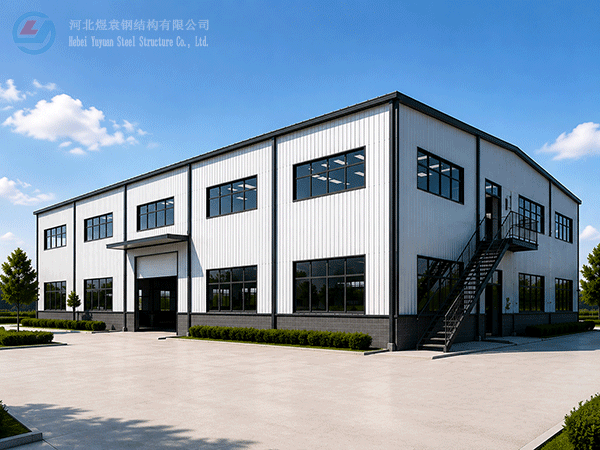
Modern Two-Storey Prefabricated Steel Structure Workshop Building Industrial Shed Construction
-
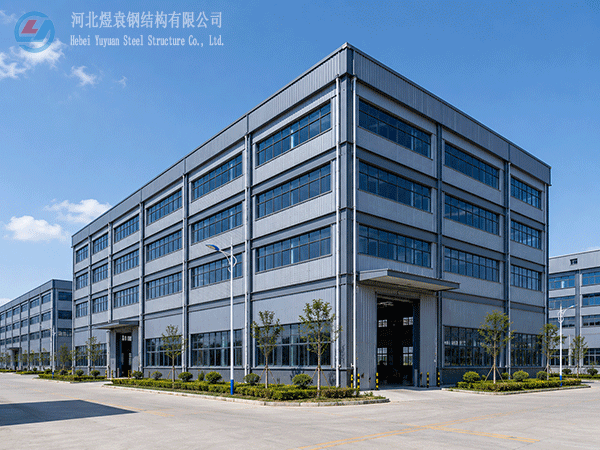
Yuyuan export Steel Structure Warehouse Prefab Steel Structure Warehouse for storage
-
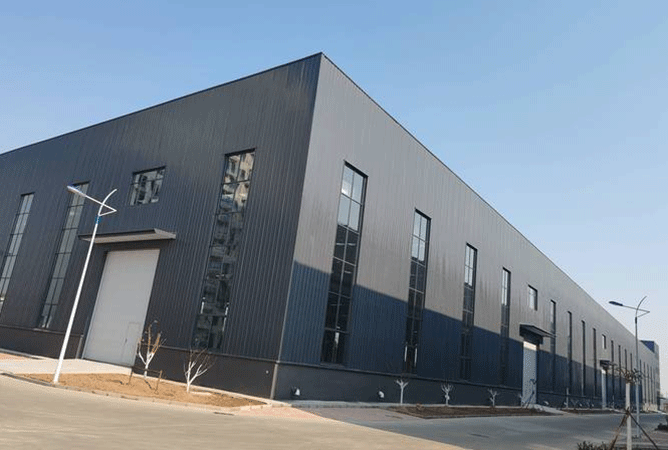
Export steel structure workshops Prefabricated steel structure workshops Light steel structure war
-
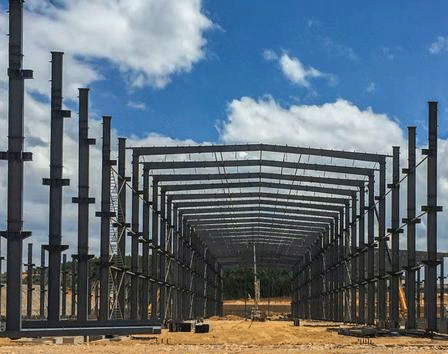
High Quality Low Cost Prefabricated Steel Structure Industrial Warehouse Shed
-
Xiao Sheng - Maldives
-
Xiao Sheng - Maldives
-
Xiao Sheng - Maldives
Hebei Yuyuan Steel Structure Co., Ltd.
Copyright © 2024-2025 https://www.yysteelwarehouse.com. All Rights Reserved Hebei Yuyuan Steel Structure Co., Ltd. All Rights Reserved.