




- Website -







 Current Location:
NEWS INFORMATION
Yuyuan Steel Structure
Steel Structure Building Maintenance Guide For Maximum Lifespan
AUTHOR:yuyuan DATE:2026-08-16 15:26:12 HITS:57
Steel buildings last decades when properly maintained. Neglect them and corrosion spreads, connections loosen, and structural problems compound. A maintenance program costs little compared to major repairs or premature replacement.
Most steel structure manufacturers design buildings for 25-50 year service lives. Achieving this lifespan requires attention to protective coatings, connection integrity, and environmental factors affecting steel durability.
Regular Inspection Schedule
Annual inspections catch problems early. Walk the building perimeter, examining wall panels, roof sheets, and visible structural members. Look for rust stains, paint peeling, and loose fasteners.
Roof inspections require safe access. Check for ponding water, damaged panels, and clogged gutters. Water accelerates corrosion on steel surfaces. Address drainage problems promptly to prevent long-term damage.
Interior inspections examine connection bolts, base plates, and column conditions. Industrial environments with chemical exposure or high humidity need more frequent checks. Quarterly inspections suit harsh conditions.
Corrosion Prevention And Treatment
Rust forms when steel contacts water and oxygen. Protective coatings - paint, galvanizing, or specialized systems - block this contact. Maintaining coating integrity prevents corrosion initiation.
Touch up damaged paint immediately. Small scratches expose bare steel. Rust spreads under surrounding paint if left untreated. Wire brush affected areas, apply primer, then finish coat matching the original color.
Galvanized surfaces self-heal to some extent. Zinc coating corrodes preferentially, protecting underlying steel. Heavy rust on galvanized steel indicates coating depletion. These areas need cleaning and zinc-rich paint application.
Fastener And Connection Care
Bolted connections require periodic checking. Vibration from machinery, cranes, or wind loosens bolts over time. Hand-check accessible bolts annually. Critical connections may need torque verification.
Welded connections rarely need attention unless cracks develop. Visual inspection identifies obvious problems. Critical structures benefit from periodic non-destructive testing by qualified inspectors.
Replace corroded fasteners promptly. Rusty bolts lose strength. Stainless steel fasteners in exposed locations resist corrosion but cost more than standard galvanized bolts. Specify appropriate fastener grades for your environment.
Roof And Drainage Maintenance
Gutters and downspouts direct water away from buildings. Clogged gutters overflow onto walls, accelerating siding corrosion near ground level. Clean gutters twice yearly - spring and fall at minimum.
Roof penetrations - vents, skylights, HVAC curbs - require flashing inspection. Sealant degrades over time. Replace cracked or shrinking sealant before water infiltration damages insulation and interior finishes.
Snow removal prevents overload in heavy snowfall regions. Most buildings designed for local snow loads, but unusual storms exceed design assumptions. Remove snow when depth approaches design limits. Avoid damaging roofing during removal.
Foundation And Anchor Bolt Checks
Concrete foundations support steel columns. Cracks in concrete indicate settlement or structural distress. Monitor crack width over time. Growing cracks require engineering evaluation.
Anchor bolts secure columns to foundations. Check for corrosion and proper nut tightness. Loose nuts may indicate foundation movement or column vibration. Address underlying causes rather than simply retightening nuts.
Water pooling near foundations promotes deterioration. Ensure ground slopes away from buildings. Maintain proper drainage to prevent water from contacting foundation concrete and anchor bolts.
Dealing With Environmental Exposure
Coastal locations face salt spray corrosion. Marine environments accelerate steel degradation dramatically. More frequent maintenance and higher-performance coatings address this challenge.
Industrial settings with chemical emissions need attention. Acidic or alkaline atmospheres attack steel surfaces. Understand your environment and select coatings rated for those conditions.
Humid climates promote condensation inside buildings. Insulation and ventilation reduce moisture accumulation. Persistent condensation indicates inadequate building design for local conditions.
Panel Replacement And Repair
Roof and wall panels eventually need replacement. Typical lifespan ranges from 15-25 years depending on material quality and exposure. Corrugated sheets and sandwich panels follow similar timelines.
Replace damaged panels promptly. Storm damage, impact from equipment, or vandalism creates openings for water infiltration. Temporary covers protect buildings until permanent repairs occur.
Match replacement panels to existing profiles. Different profiles create appearance problems and potential leakage at transitions. Keep records of original panel specifications for future reference.
Documentation And Records
Maintain inspection logs documenting conditions observed. Photograph problem areas. Track changes over time. This record supports maintenance planning and demonstrates due diligence for insurance purposes.
Original building documents - drawings, specifications, material certificates - inform maintenance decisions. Store these documents safely. Digital copies provide backup against paper document loss.
Manufacturer maintenance recommendations vary. Follow specific guidance for your building type and coatings. Generic advice supplements but doesn't replace manufacturer instructions.
Planning For Major Maintenance
Budget for eventual painting, panel replacement, and component renewal. Spreading costs over building lifetime avoids sudden large expenses. Reserve funds accumulate during good years, available when problems emerge.
Schedule major work during favorable weather and low-activity periods. Building operations often pause during maintenance. Coordinate with production schedules to minimize disruption.
Qualified contractors perform work meeting manufacturer standards. Verify contractor experience with steel building maintenance. Improper techniques cause more harm than good.
References:
American Institute of Steel Construction. (2024). Maintenance guidelines for steel structures.
Galvanizers Association. (2024). Maintenance and inspection of galvanized steel structures.
Building Research Establishment. (2024). Steel building lifespan and durability assessment.
-
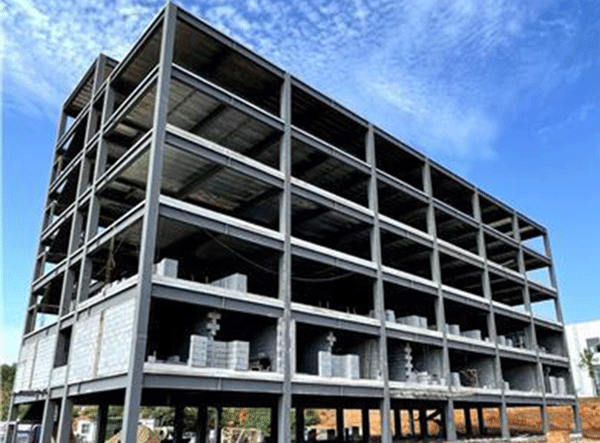
Fast Assembled Multi-Story Steel Structure Workshop Factory For Industrial Use
-
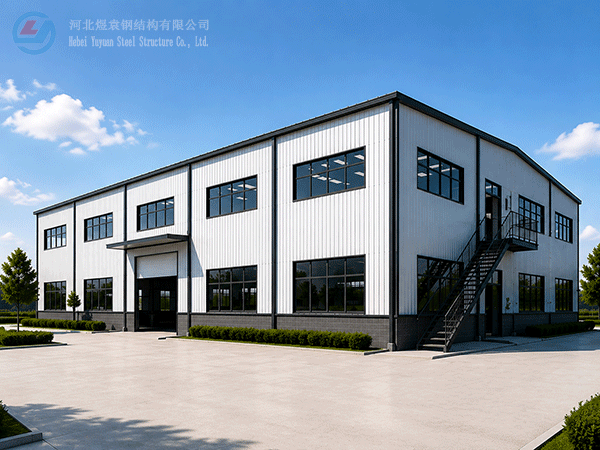
Modern Two-Storey Prefabricated Steel Structure Workshop Building Industrial Shed Construction
-
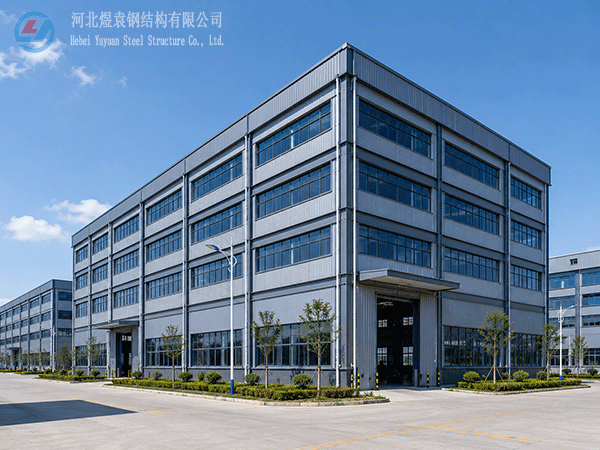
Yuyuan export Steel Structure Warehouse Prefab Steel Structure Warehouse for storage
-
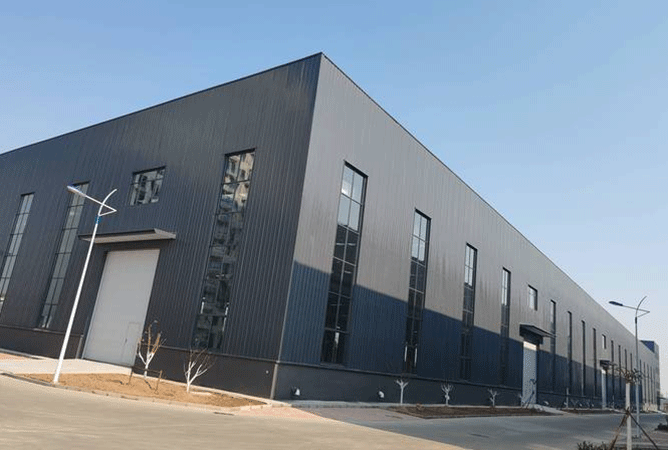
Export steel structure workshops Prefabricated steel structure workshops Light steel structure war
-
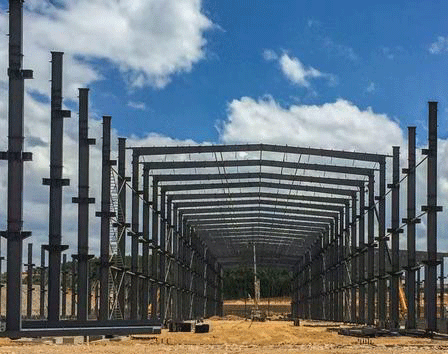
High Quality Low Cost Prefabricated Steel Structure Industrial Warehouse Shed
-
Xiao Sheng - Maldives
-
Xiao Sheng - Maldives
-
Xiao Sheng - Maldives
Hebei Yuyuan Steel Structure Co., Ltd.
Copyright © 2024-2025 https://www.yysteelwarehouse.com. All Rights Reserved Hebei Yuyuan Steel Structure Co., Ltd. All Rights Reserved.