




- Website -







 Current Location:
NEWS INFORMATION
Yuyuan Steel Structure
Steel Structure Galvanizing Protection for Corrosion Prevention
AUTHOR:yuyuan DATE:2026-07-12 18:10:58 HITS:86
The Hot-Dip Galvanizing Process
Hot-dip galvanizing applies a metallurgically bonded zinc coating to steel by immersing fabricated members in a bath of molten zinc at approximately 450 degrees Celsius. The zinc reacts with the steel surface to form zinc-iron alloy layers that are harder than the base steel, creating a coating that resists mechanical damage during handling, transportation and erection. The coating thickness, typically ranging from 45 to 120 micrometers depending on steel thickness and composition, provides decades of corrosion protection in moderate atmospheric environments.
The process begins with surface preparation steps that remove mill scale, oils and surface contaminants that would prevent zinc from bonding to the steel. Degreasing, acid pickling and flux application prepare the surface before the steel enters the zinc bath. Proper surface preparation is essential because the zinc coating will not bond to contaminated surfaces, resulting in bare spots that corrode rapidly in service. A reputable galvanizer maintains process controls that ensure complete surface preparation before galvanizing.
Coating Thickness and Uniformity
Zinc coating thickness determines the service life of galvanized steel in a given environment. Thicker coatings provide proportionally longer protection because the zinc layer corrodes at a predictable rate based on atmospheric conditions. In rural environments with low pollution levels, zinc corrodes at approximately one micrometer per year, meaning an 85-micrometer coating provides over eighty years of protection before the underlying steel is exposed. Industrial and marine environments with higher chloride or sulfur dioxide concentrations accelerate corrosion, reducing the effective service life proportionally.
Coating thickness varies over the steel surface due to differences in steel composition, member geometry and position in the zinc bath. Silicon and phosphorus content in steel influences the reactivity with zinc, affecting the coating thickness and appearance. Steels with certain silicon levels form thicker coatings with matte gray appearances, while other compositions produce thinner, brighter coatings. A steel structure factory specifies steel with appropriate compositions for galvanizing to ensure consistent coating quality across all fabricated members.
Design for Galvanizing
Fabricated steel members must be designed for galvanizing to ensure complete coating coverage and prevent defects that compromise protection. Hollow sections require drain holes at low points to allow zinc to flow out during withdrawal from the bath, and vent holes at high points to allow air to escape during immersion. Without adequate venting, trapped air creates bare spots where the zinc cannot contact the steel, while trapped zinc forms dangerous accumulations that may cause injury during handling.
Overlapping surfaces in welded connections create crevices where pickling acid and zinc can become trapped, leading to unsightly weeping and potential coating breakdown in service. Seal welding of overlapping edges or providing drainage holes prevents these problems. Large fabricated assemblies may require disassembly into smaller components for galvanizing, with reassembly after coating using bolted connections. An experienced manufacturer understands these requirements and designs connections accordingly.
Inspection and Quality Verification
Galvanized coating quality is verified through visual inspection and measurement of coating thickness. Visual examination identifies bare spots, gross surface defects and inadequate surface preparation that would require remediation before acceptance. Magnetic thickness gauges measure coating thickness at multiple locations on each member, verifying that the specified minimum thickness is achieved. A reputable galvanizer provides coating thickness test results with shipment documentation.
Touch-Up and Repair
Damaged galvanized coatings require repair to restore corrosion protection at the affected locations. Zinc-rich paints applied to properly prepared surfaces provide protection similar to the original galvanized coating for small damaged areas. Zinc alloy repair rods melted into damaged areas using a torch restore the metallurgical bond between the repair material and the underlying steel for larger defects.
Cut edges and welds made after galvanizing require touch-up because the original coating was destroyed during these operations. Sprayed zinc or zinc-rich paint applied to clean prepared surfaces provides adequate protection for these locations, though the repair coating typically has shorter service life than the original hot-dip coating. A steel structure manufacturer with galvanizing experience provides touch-up materials and instructions for field repairs necessary during construction.
Working with certified galvanizers and specifying appropriate steel grades ensures consistent coating quality across all structural members.
Conclusion
Hot-dip galvanizing provides robust, long-lasting corrosion protection for structural steel that extends building service life with minimal maintenance requirements. Understanding the galvanizing process, designing for successful coating application and maintaining coating integrity during construction ensures that the protection system performs as intended throughout the building life. Selecting a manufacturer with galvanizing expertise produces steel structures that resist corrosion effectively in diverse environmental conditions.
References
American Galvanizers Association, Hot-Dip Galvanizing for Corrosion Prevention
ASTM International, ASTM A123 Standard for Zinc Coatings on Iron and Steel Products
International Zinc Association, Zinc Coating Life Prediction Models
ISO 1461, Hot Dip Galvanized Coatings on Fabricated Iron and Steel Articles
-
Modern Two-Storey Prefabricated Steel Structure Workshop Building Industrial Shed Construction
-
Yuyuan export Steel Structure Warehouse Prefab Steel Structure Warehouse for storage
-
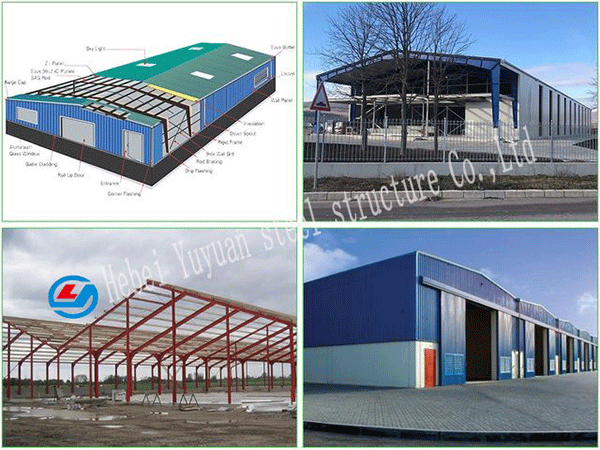
Export steel structure workshops Prefabricated steel structure workshops Light steel structure war
-
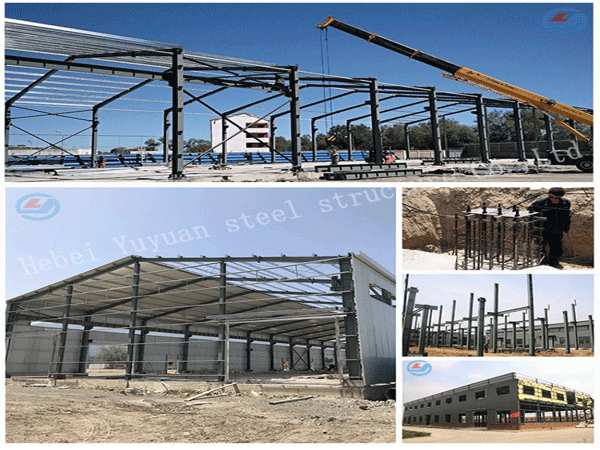
High Quality Low Cost Prefabricated Steel Structure Industrial Warehouse Shed
-
Xiao Sheng - Maldives
-
Xiao Sheng - Maldives
-
Xiao Sheng - Maldives
-
Tanzania, April 20, 2025
Hebei Yuyuan Steel Structure Co., Ltd.
Copyright © 2024-2025 https://www.yysteelwarehouse.com. All Rights Reserved Hebei Yuyuan Steel Structure Co., Ltd. All Rights Reserved.