




- Website -







 Current Location:
NEWS INFORMATION
Yuyuan Steel Structure
Steel Structure Poultry Farm Design For Modern Chicken Farming Operations
AUTHOR:yuyuan DATE:2026-08-18 15:39:54 HITS:66
Chicken farming changed. Traditional brick sheds gave way to purpose-built steel structure poultry houses designed around bird welfare and production efficiency. Modern operations need buildings that control environment, resist disease, and handle thousands of birds in managed conditions.
Steel frames span wide distances without interior columns. This matters for poultry houses where equipment - feeders, drinkers, ventilation systems - must move freely. Walking through a modern chicken house, you notice the open space. No posts blocking equipment paths. No corners where birds cluster and create dead zones.
Ventilation Design Determines Success
Chickens produce heat, moisture, and ammonia. Controlling these three factors separates profitable operations from struggling ones. Steel structure buildings support sophisticated ventilation systems that brick or wood structures cannot accommodate.
Tunnel ventilation moves air lengthwise through the house. Exhaust fans pull air through cooling pads at one end. Fresh air travels the building's length before exiting. This system handles summer heat effectively in hot climates.
Side-wall ventilation suits colder regions. Fans in walls draw fresh air across birds at lower velocities. Heating costs stay manageable when you're not moving massive air volumes. Your supplier designs ridge vents and side inlets based on local climate data.
Insulation Pays Back Through Energy Savings
Temperature swings stress birds. Stressed birds eat more, grow slower, and die younger. Insulated steel panel walls and roofs maintain stable temperatures, reducing heating fuel and cooling electricity consumption.
Sandwich panels with rock wool or polyurethane cores provide thermal barriers. In tropical regions, reflective coatings on roof panels deflect solar heat. Cold-climate houses need thicker insulation to retain heat generated by birds themselves.
Calculate insulation investment against energy costs over ten years. A poultry house operates continuously. Monthly heating or cooling bills compound quickly. Better insulation upfront means lower operating costs throughout building life.
Biosecurity Starts With Building Design
Disease outbreaks devastate poultry operations. Avian influenza, Newcastle disease, and bacterial infections spread through contact with wild birds, rodents, and contaminated surfaces. Steel structure design addresses these risks.
Smooth wall and ceiling surfaces leave nowhere for pathogens to hide. Unlike porous brick or wood, metal panels clean easily between flocks. Pressure washing and disinfection reach every surface without trapping moisture.
Concrete floors with proper slope drain water away from birds. Steel structures integrate with concrete foundation designs that prevent flooding. Standing water breeds disease and creates ammonia buildup from wet litter.
Multi-Story Designs Maximize Land Use
Land costs push poultry operations toward vertical expansion. Multi-layer chicken houses stack production vertically, housing more birds per square meter of land. Steel frames support these multi-level configurations safely.
Each layer requires structural support for birds, equipment, and workers accessing the area. Platform designs from experienced manufacturers distribute loads to columns and foundations. Building height doubles or triples production capacity without expanding land footprint.
Caged layer systems benefit most from vertical design. Eggs roll from cages to collection belts automatically. Manure drops through cages to removal systems below. Steel structure manufacturers work with equipment suppliers to coordinate building dimensions with cage layouts.
Durability In Harsh Environments
Poultry houses generate corrosive conditions. Ammonia from bird waste attacks metal surfaces. High humidity accelerates oxidation. Standard steel rusts quickly without protection.
Galvanized steel components resist corrosion. Hot-dip galvanizing coats steel with zinc, providing sacrificial protection. Even when the coating scratches, zinc corrodes preferentially, protecting underlying steel. Quality poultry building manufacturers specify galvanized structural elements.
Paint systems add another protection layer. Factory-applied coatings cure properly before installation. Field painting rarely matches controlled factory conditions for adhesion and coverage.
Expansion And Reconfiguration Options
Poultry operations grow. Starting with one house, successful farms add capacity year by year. Steel structure designs anticipate expansion. Additional spans connect to existing buildings, sharing walls and infrastructure.
Converting a broiler house to layer operation requires different equipment layouts. Open floor plans in steel structures allow reconfiguration. Move feeders, nest boxes, and perches without structural limitations.
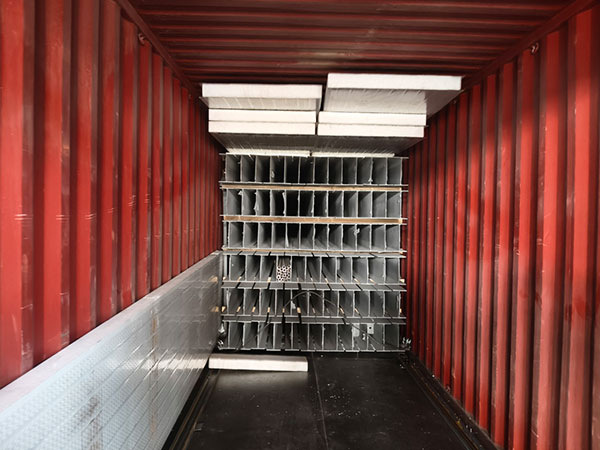
Some farms relocate entirely. Prefabricated steel structures dismantle with reasonable effort. Bolted connections unscrew. Components load into containers. A new site receives the same building reassembled. This flexibility rarely exists with permanent masonry construction.
Working With Poultry Building Specialists
Generic steel structure manufacturers understand buildings. Poultry specialists understand birds. The difference shows in details - vent placement, equipment mounting points, floor slope angles.
Ask potential suppliers about previous poultry projects. Request case studies showing houses similar to your planned operation. Climate, bird type, and production scale all influence optimal design.
Integration with equipment suppliers matters. Feeders, drinkers, and ventilation controllers must fit the building shell. Coordinated design between building and equipment manufacturers prevents expensive modifications later.
Cost Considerations For Poultry Projects
Steel structure poultry houses cost $25-60 per square meter depending on specifications. Insulation, ventilation equipment, and automation level push prices higher. Basic broiler houses cost less than fully automated layer facilities.
Include equipment costs in project budgets. The building shell represents roughly half of total investment. Feeders, drinkers, nests, and environmental controls comprise the rest. Working with integrated suppliers sometimes packages building and equipment together.
Operating costs over building life exceed initial construction costs. Energy for heating, cooling, and ventilation runs continuously. Investing in quality construction and insulation reduces these ongoing expenses.
References:
Made-in-China.com. (2024). Poultry farm design manufacturers and construction specifications.
Alibaba. (2024). Poultry farm house design drawings and steel structure applications.
Livestock Engineering Group. (2024). Modern poultry house ventilation and environmental control standards.
-
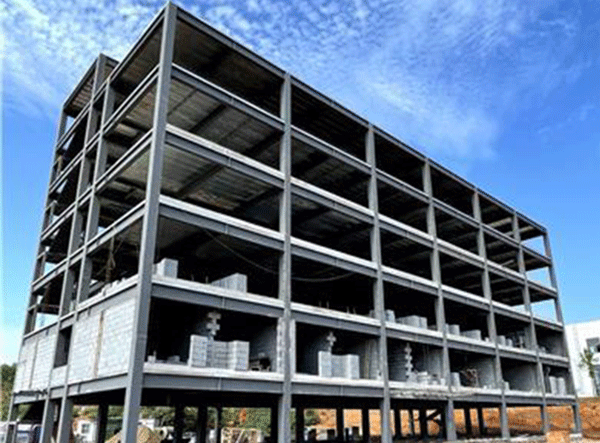
Fast Assembled Multi-Story Steel Structure Workshop Factory For Industrial Use
-
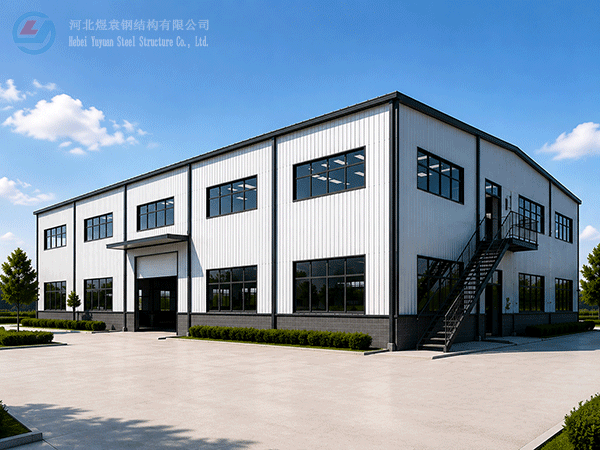
Modern Two-Storey Prefabricated Steel Structure Workshop Building Industrial Shed Construction
-
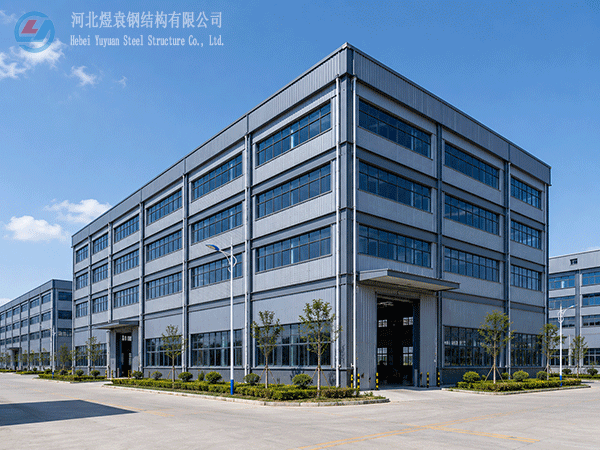
Yuyuan export Steel Structure Warehouse Prefab Steel Structure Warehouse for storage
-
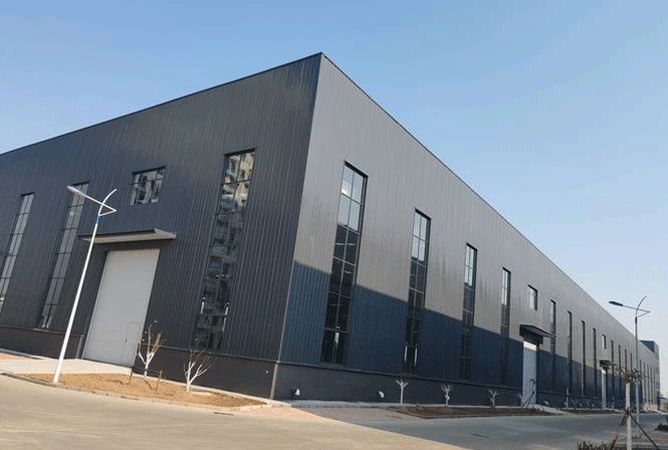
Export steel structure workshops Prefabricated steel structure workshops Light steel structure war
-
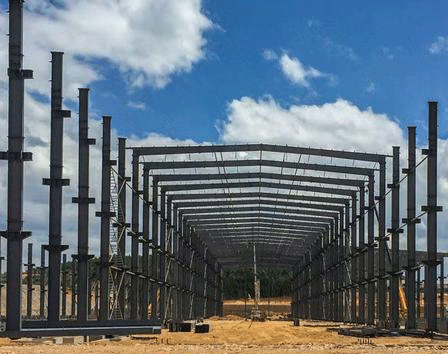
High Quality Low Cost Prefabricated Steel Structure Industrial Warehouse Shed
-
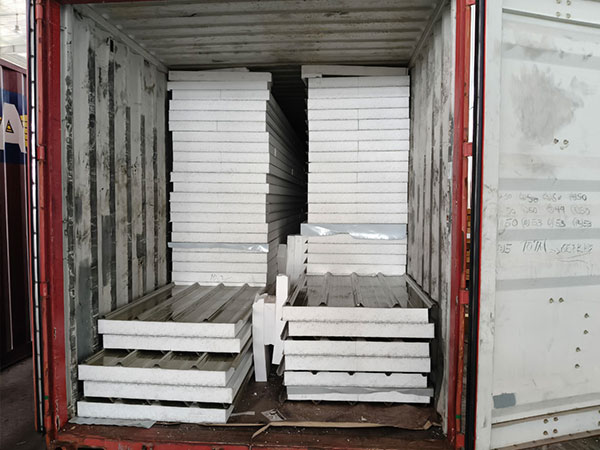
Xiao Sheng - Maldives
-
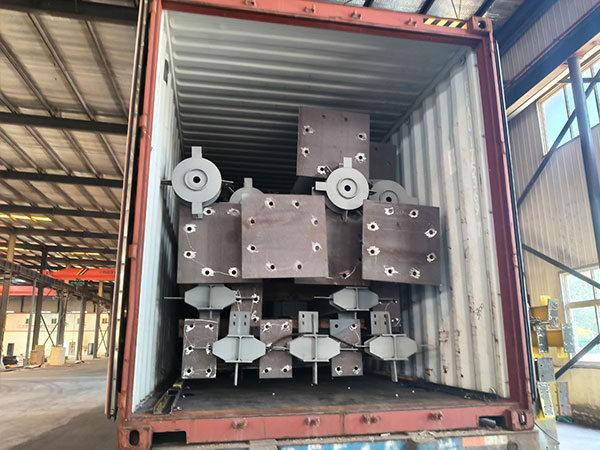
Xiao Sheng - Maldives
-
Xiao Sheng - Maldives
Hebei Yuyuan Steel Structure Co., Ltd.
Copyright © 2024-2025 https://www.yysteelwarehouse.com. All Rights Reserved Hebei Yuyuan Steel Structure Co., Ltd. All Rights Reserved.