




- Website -







 Current Location:
NEWS INFORMATION
Yuyuan Steel Structure
Steel Warehouse Building Permits, Regulations and Compliance Guide
AUTHOR:yuyuan DATE:2026-06-18 08:34:16 HITS:185
Building Codes and Structural Standards
Every jurisdiction requires warehouses to comply with applicable building codes that establish minimum standards for structural design, fire safety, means of egress, mechanical and electrical systems and accessibility. In the United States, the International Building Code (IBC) is the most widely adopted model code, with state and local jurisdictions adopting specific editions with amendments that reflect local conditions and policy priorities. In Europe, the Eurocodes provide the harmonized structural design standard supplemented by national annexes that specify parameters particular to each country.
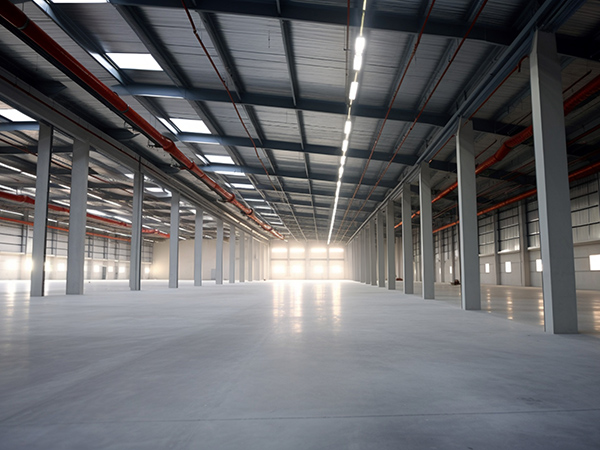
The structural design of the steel frame must comply with the applicable steel design standard, which may be AISC 360 in the United States, EN 1993 (Eurocode 3) in Europe, AS/NZS 4600 in Australia and New Zealand or GB 50017 in China. Using a supplier familiar with multiple international codes allows the same structural concept to be documented in whichever format the permitting authority requires, avoiding the cost and delay of redesigning the structure simply to present the calculations in the local format.
Zoning and Land Use Requirements
Local zoning ordinances regulate land use, building height, floor area ratio, setback distances from property lines and parking requirements that determine whether a warehouse is permitted on a given site. Industrial zoning districts typically allow warehouses by right, conditional on compliance with the dimensional standards, or may require a special use permit or variance for specific conditions. Engaging with the planning department during site selection identifies potential constraints before land is purchased or design money is spent on a project that cannot be permitted on the chosen site.
Setback requirements may limit the usable footprint of a site, particularly on narrow or irregular parcels where the required side-yard setbacks consume a disproportionate share of the total area. Floor area ratio limits cap the total building square footage relative to the land area, which may make a smaller site uneconomical if the required parking or setbacks reduce the buildable area below what the project revenue requires.
Environmental Permits
Warehouse projects trigger environmental permits in areas including stormwater management, air emissions, hazardous materials storage and wetlands protection. Even simple warehouses may require a stormwater management permit that specifies how construction-period erosion will be controlled and how post-development runoff will be managed to avoid increasing flood risks downstream. Sites in or near wetlands require delineation by a qualified professional and may require permits from multiple agencies before any ground disturbance can occur.
Warehouses storing regulated substances such as petroleum products, chemical products or agricultural inputs may require permits under the Clean Air Act or equivalent legislation that governs emissions from storage tanks and loading operations. Understanding these requirements early in design prevents costly redesigns when the permitting authority reviews the application and identifies deficiencies in the original approach.
Fire and Life Safety Compliance
Fire codes regulate warehouse design based on the type and quantity of stored goods, the building dimensions and the occupancy classification. Occupancy Group S (Storage) is the typical classification for warehouses, with subdivisions based on the hazard level of the stored commodities. Commodity classification under NFPA 13 determines the required sprinkler design density, the maximum permitted storage height and the allowable pile dimensions that determine how the warehouse can be operated.
The occupancy classification also determines the required means of egress: number of exits, exit travel distance limits, exit door widths and emergency lighting and exit signage specifications. Warehouses exceeding 500,000 cubic feet in volume, divided by fire walls into compartments not exceeding this volume, may qualify for reduced sprinkler requirements compared with undivided buildings of the same total volume, making fire wall placement a meaningful design decision from a cost perspective as well as a safety perspective.
Plan Review and Inspection Process
The building permit application requires submission of architectural drawings, structural calculations and drawings, mechanical and electrical drawings, site plans and supporting documentation demonstrating compliance with all applicable codes and standards. The permitting authority reviews this documentation for compliance with the adopted code edition and issues comments identifying deficiencies that must be resolved before the permit can be issued.
Construction inspections are performed at specified stages of the work by the authority having jurisdiction or by approved third-party inspection agencies. Typical inspection points include: foundation formwork and reinforcement before concrete placement, structural steel connections before covering, envelope installation before interior finishes, mechanical and electrical systems before concealment and final inspection upon completion. Scheduling inspections with adequate lead time prevents construction delays when the inspector is unavailable at a critical path milestone.
Conclusion
Navigating the permit and regulatory landscape requires early engagement with the relevant authorities, thorough documentation of code compliance and proactive management of the review process. Experienced suppliers have navigated these processes across multiple jurisdictions and can anticipate common deficiencies, prepare complete submissions and coordinate responses to review comments efficiently. Engaging qualified professionals for structural engineering, fire protection engineering and environmental consulting ensures the technical documentation meets the standards that permitting authorities expect and approves without protracted delays.
References
International Code Council, International Building Code Current Edition
National Fire Protection Association, NFPA 1 Fire Code and NFPA 101 Life Safety Code
American Society of Civil Engineers, ASCE 7 Minimum Design Loads for Buildings and Structures
Environmental Protection Agency, Stormwater Program Requirements for Construction Activities
-
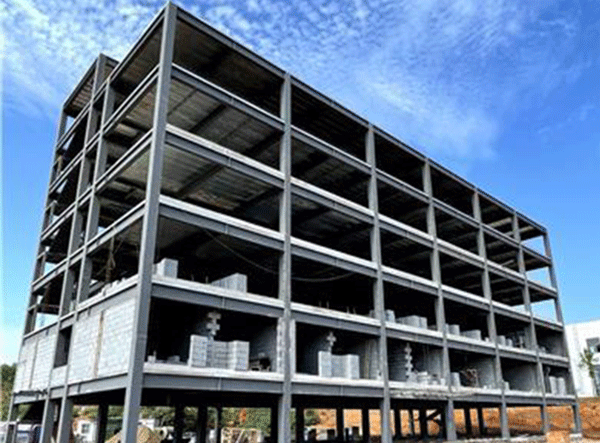
Fast Assembled Multi-Story Steel Structure Workshop Factory For Industrial Use
-
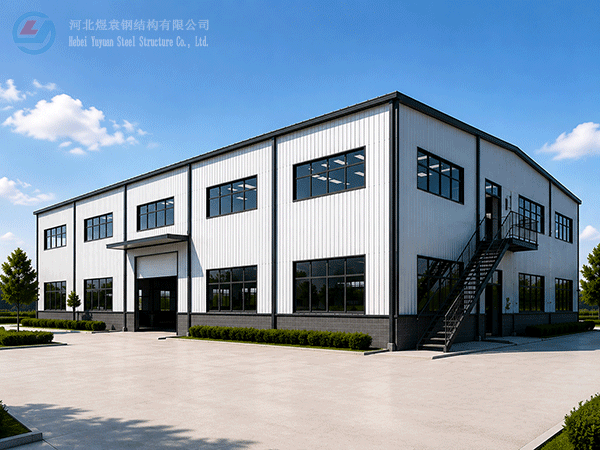
Modern Two-Storey Prefabricated Steel Structure Workshop Building Industrial Shed Construction
-
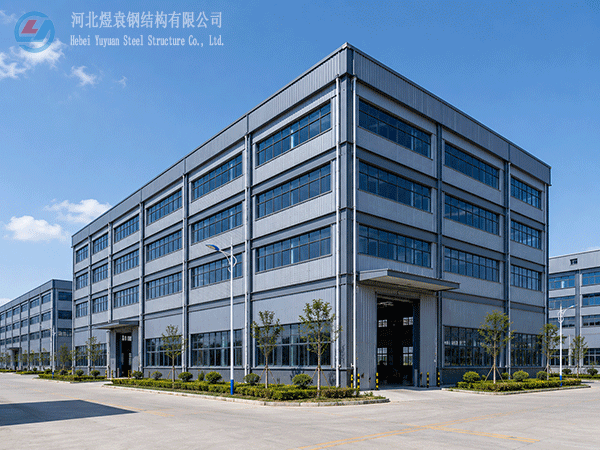
Yuyuan export Steel Structure Warehouse Prefab Steel Structure Warehouse for storage
-
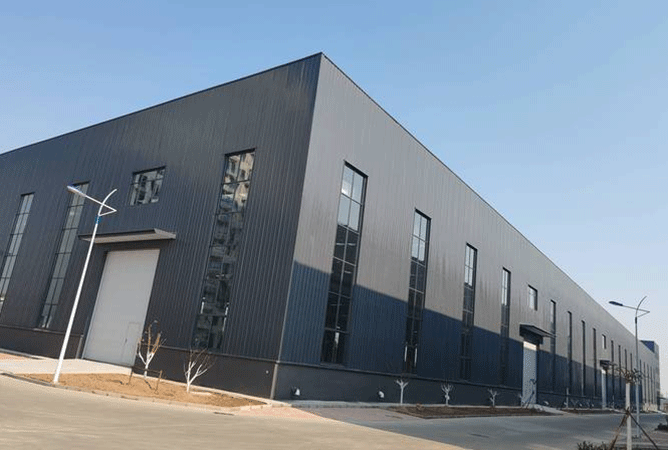
Export steel structure workshops Prefabricated steel structure workshops Light steel structure war
-
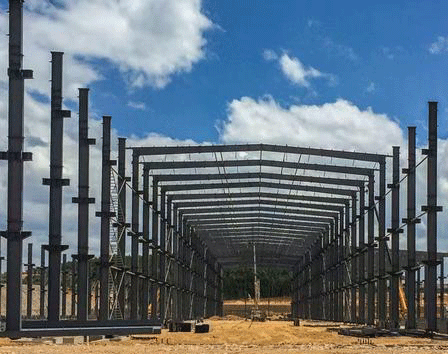
High Quality Low Cost Prefabricated Steel Structure Industrial Warehouse Shed
-
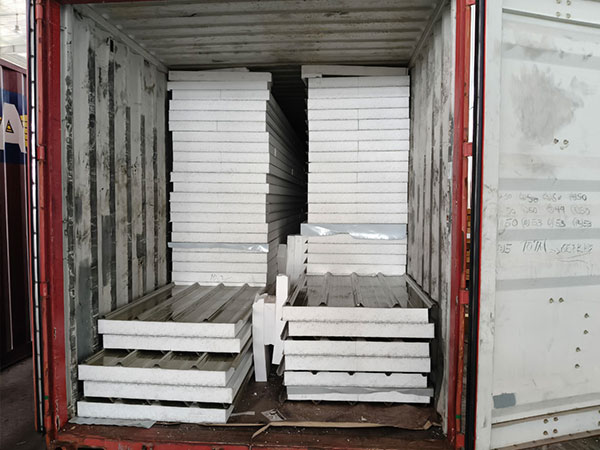
Xiao Sheng - Maldives
-
Xiao Sheng - Maldives
-
Xiao Sheng - Maldives
Hebei Yuyuan Steel Structure Co., Ltd.
Copyright © 2024-2025 https://www.yysteelwarehouse.com. All Rights Reserved Hebei Yuyuan Steel Structure Co., Ltd. All Rights Reserved.