




- Website -







 Current Location:
NEWS INFORMATION
Yuyuan Steel Structure
Steel Structure Warehouse Fire Safety and Protection Systems
AUTHOR:yuyuan DATE:2026-06-21 08:37:13 HITS:193
Understanding Steel and Fire Behavior
Steel does not burn, which gives it an inherent advantage over timber and other combustible construction materials. However, structural steel loses strength progressively as temperature rises during a fire. At 550 degrees Celsius, a typical carbon steel section retains approximately 60 percent of its yield strength, and at 600 degrees the retention drops to around 50 percent. Unprotected steel frames in warehouses storing high-value goods or operating under occupancy loads that create significant fire loads can reach critical temperatures within 10 to 15 minutes of fire ignition, depending on the fire scenario.
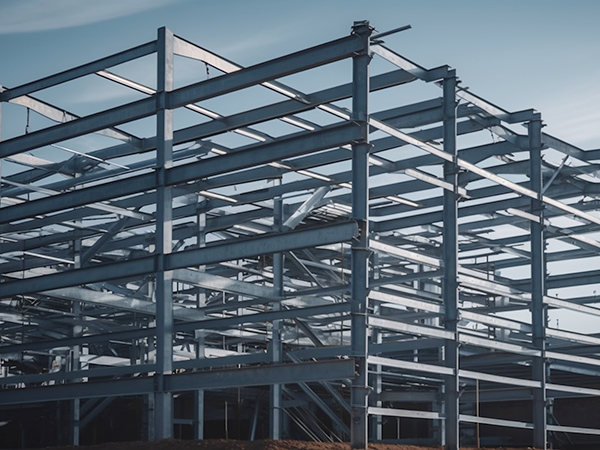
This temperature sensitivity means that steel warehouses storing valuable inventory, operating as occupied work spaces, or housing hazardous materials require active and passive fire protection measures to maintain structural stability during a fire event and provide sufficient time for occupant evacuation and fire brigade intervention.
Passive Fire Protection Methods
Passive fire protection insulates steel members from heat by applying materials that maintain a lower steel temperature during fire exposure. Intumescent coatings are thin-film systems that react to heat by expanding to form a foam-like char layer with low thermal conductivity, protecting the underlying steel for periods of 60 to 180 minutes depending on the coating thickness specified. They provide a clean architectural appearance and are widely specified in warehouses where aesthetics matter or where exposed steel structure is a design feature.
Cementitious spray-applied fire resistive materials (SFRM) are thick coatings bonded directly to steel surfaces, offering robust protection at lower cost than intumescent coatings. Board systems using gypsum or calcium silicate panels are installed around columns and beams to create enclosed fire-rated assemblies. The choice depends on the required fire rating, aesthetic preferences, budget constraints and the accessibility of steel surfaces for maintenance inspection over the building life.
Active Fire Suppression Systems
Automatic sprinkler systems are the most effective active fire suppression measure in warehouses and are required by building codes for most commercial and industrial occupancies above specified sizes. A properly designed and maintained sprinkler system controls or extinguishes the majority of fires before they reach the flashover stage where structural damage becomes severe. Early suppression fast response (ESFR) sprinklers are specifically designed for warehouse applications with high ceiling heights and high-piled storage configurations, delivering water discharge rates that match the fire challenge posed by densely stacked commodities.
In-rack sprinklers supplement ceiling-level systems in high-piled storage arrangements where ceiling sprinklers cannot penetrate to the seat of a fire within the racking. Water supply reliability is critical: back-up diesel fire pumps and sufficient water storage reservoirs ensure suppression capability remains available during power outages that commonly accompany the electrical failures that can trigger fire alarm system malfunctions.
Fire Compartment Design and Separation
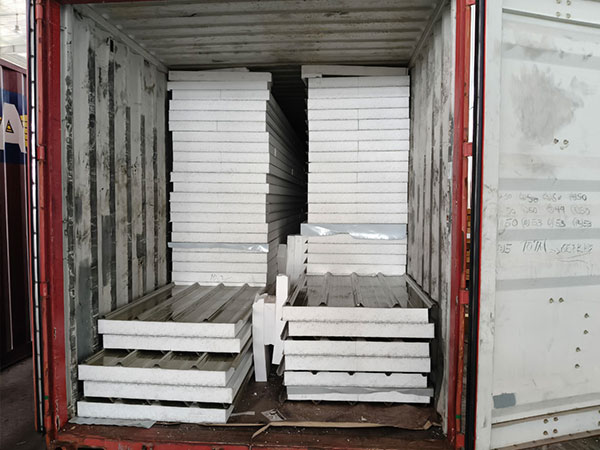
Building codes divide warehouses into fire compartments of defined area and height to limit the potential spread of fire and control the fire size that suppression systems must address. Compartment walls extend from the floor slab to the roof deck and must maintain their integrity under the fire load anticipated within the compartment. Rock wool sandwich panels with certified fire ratings provide compartment walls that are structurally integral to the building envelope, eliminating the cost of separate fire-rated wall construction.
Fire damper installation at duct and conduit penetrations through compartment walls maintains the rated integrity of the separation. These dampers close automatically when exposed to the elevated temperatures of a fire, resealing penetrations that would otherwise allow flame and hot gas to bypass the compartment boundary. Regular testing and maintenance of fire dampers is essential to ensure they function reliably when needed.
Fire Detection and Alarm Systems
Early fire detection provides the critical margin between ignition and the point at which fire growth overwhelms suppression capability. Addressable fire alarm systems identify the specific detector or pull station that initiates an alarm, enabling rapid location of the fire origin within large warehouse spaces. Smoke detection using aspirating systems provides earlier warning than conventional spot-type detectors in environments with high ceilings where smoke dilution delays the arrival of combustion products at detector locations.
Integration of the fire alarm system with building management systems enables automatic responses including unlocking exit doors, stopping air-handling units that would otherwise spread smoke through the building, activating emergency lighting along egress routes and notifying off-site monitoring services that can summon fire brigades before occupants inside the building recognize the emergency.
Conclusion
Effective warehouse fire safety combines passive structural protection, active suppression systems, compartment design and early detection into a coordinated strategy that protects both the building structure and the lives of occupants. The appropriate combination depends on the warehouse use, stored commodity class, building dimensions and applicable codes. A qualified fire protection engineer should review the design during the project planning phase to ensure all components work together as an integrated system that meets the required safety objectives.
References
National Fire Protection Association, NFPA 13 Standard for the Installation of Sprinkler Systems
American Society of Civil Engineers, ASCE/SEI 7 Minimum Design Loads and Associated Criteria for Buildings
International Building Code, Chapter 7 Fire and Smoke Protection Features
British Standards Institution, BS 9999 Code of Practice for Fire Safety in the Design and Use of Buildings
-
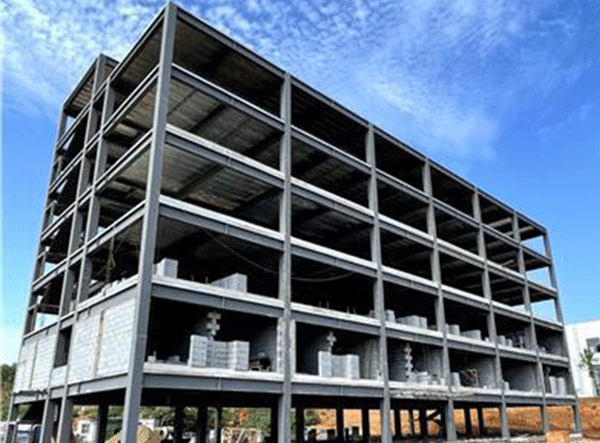
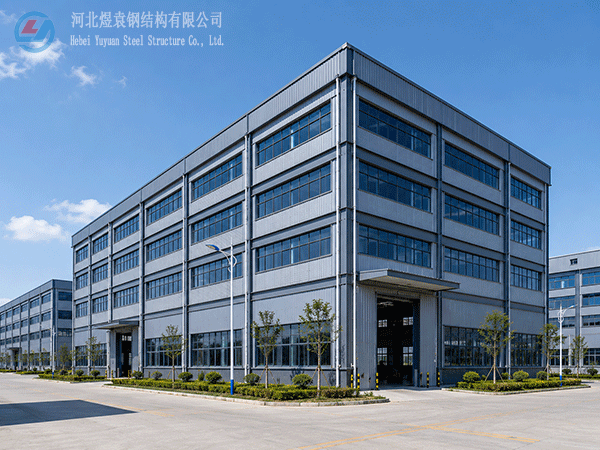
Fast Assembled Multi-Story Steel Structure Workshop Factory For Industrial Use
-
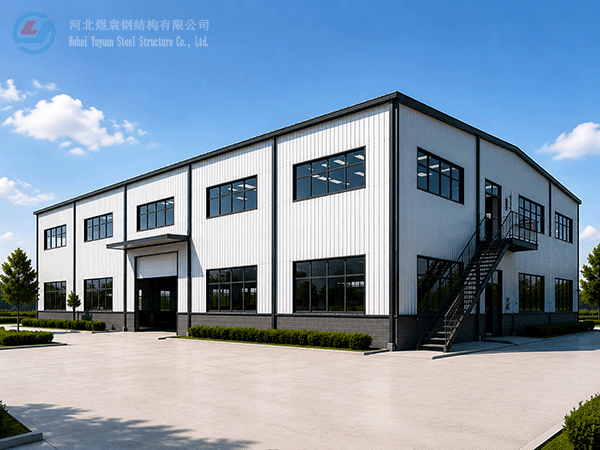
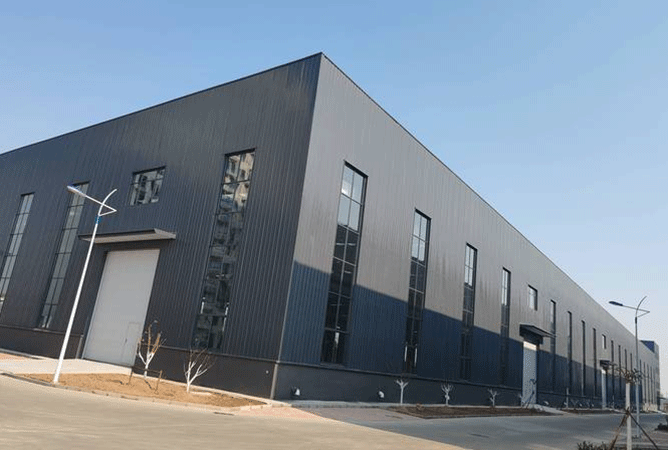
Modern Two-Storey Prefabricated Steel Structure Workshop Building Industrial Shed Construction
-
Yuyuan export Steel Structure Warehouse Prefab Steel Structure Warehouse for storage
-
Export steel structure workshops Prefabricated steel structure workshops Light steel structure war
-
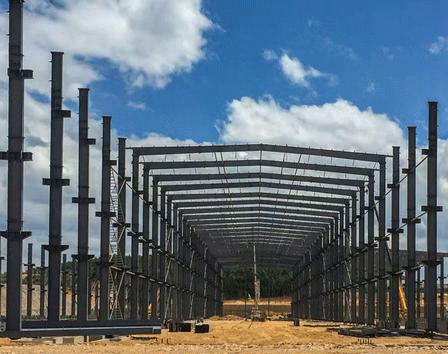
High Quality Low Cost Prefabricated Steel Structure Industrial Warehouse Shed
-
Xiao Sheng - Maldives
-
Xiao Sheng - Maldives
-
Xiao Sheng - Maldives
Hebei Yuyuan Steel Structure Co., Ltd.
Copyright © 2024-2025 https://www.yysteelwarehouse.com. All Rights Reserved Hebei Yuyuan Steel Structure Co., Ltd. All Rights Reserved.