




- Website -







 Current Location:
NEWS INFORMATION
Yuyuan Steel Structure
Steel Warehouse Lighting System Design for Energy Efficiency
AUTHOR:yuyuan DATE:2026-07-18 18:16:48 HITS:178
Illumination Requirements for Warehouse Operations
Warehouse lighting design must provide adequate illumination for the visual tasks performed throughout the facility while meeting energy efficiency requirements. General storage areas typically require illuminance levels of 100 to 200 lux for safe movement and basic visual tasks. Order picking areas where workers read labels and verify quantities need higher levels of 200 to 300 lux. Areas with detailed inspection tasks may require 500 lux or more to enable accurate visual discrimination. A qualified designer determines appropriate illuminance levels for each zone based on the specific operations performed.
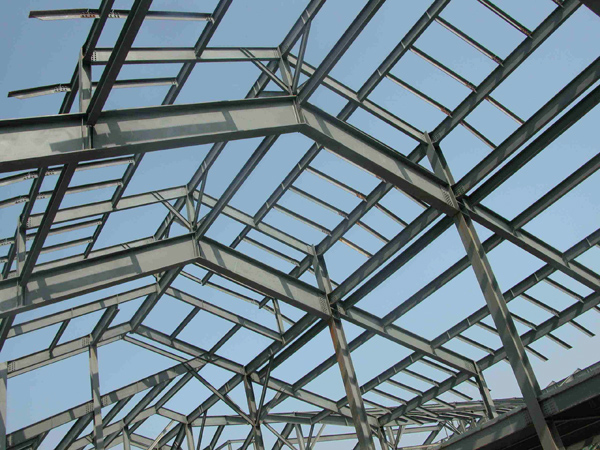
Uniformity of illumination affects visual comfort and task performance. Excessive contrast between bright and dark areas creates adaptation difficulties for workers moving through the facility. Lighting designs typically target minimum-to-average uniformity ratios of 0.4 to 0.7, depending on the visual task complexity. A steel structure factory with integrated electrical design capability coordinates lighting fixture locations with structural framing to achieve uniform illumination without conflicts with overhead equipment.
LED Technology Advantages
Light-emitting diode fixtures have become the dominant technology for warehouse lighting due to their energy efficiency, long service life and declining costs. LED fixtures convert 40 to 50 percent of electrical input to visible light, compared with 15 to 20 percent for conventional high-intensity discharge lamps. This efficiency advantage reduces operating costs substantially over the building life, with payback periods for LED installations typically ranging from two to five years depending on electricity costs and operating hours.
LED service life ratings of 50,000 to 100,000 hours translate to ten to twenty years of operation in typical warehouse applications. This longevity eliminates the relamping campaigns that interrupt operations in facilities using conventional lamps. Reduced maintenance burden and improved reliability make LED the preferred choice for industrial lighting applications where fixture access is difficult or operational continuity is critical.
Daylight Integration and Skylights
Natural daylight through skylights and translucent panels reduces the artificial lighting required during daytime hours, generating energy savings while improving the visual environment for warehouse workers. Daylight integration requires careful design to prevent glare, control solar heat gain and maintain waterproof integrity at roof penetrations. Skylight area ratios of 3 to 5 percent of roof area typically provide adequate daylight for general warehouse operations.
Photosensor controls dim or switch artificial lighting in response to available daylight, optimizing energy use while maintaining required illumination levels. Open-loop control systems measure exterior daylight levels and calculate interior daylight contribution, while closed-loop systems measure actual illumination at the work surface. Daylight harvesting controls typically achieve energy savings of 20 to 40 percent in perimeter zones and 10 to 20 percent in core areas with skylight illumination.
Control Systems for Energy Optimization
Lighting control strategies reduce energy consumption by providing illumination only when and where it is needed. Occupancy sensors switch lights on when motion is detected and off after a configurable timeout period, eliminating energy waste in intermittently occupied areas such as storage zones with periodic access. Daylight sensors reduce artificial lighting output when natural light provides adequate illumination. Time scheduling systems control lighting based on operating schedules, ensuring lights are off during non-operating periods.
Fixture Selection and Placement
High-bay LED fixtures designed for mounting heights of six to fifteen meters suit typical warehouse lighting applications. Narrow beam distributions direct light downward to the floor with minimal wall illumination, maximizing efficiency in large open areas. Wide beam distributions provide better uniformity at lower mounting heights or in narrower aisle configurations. A qualified manufacturer considers structural bay spacing when recommending fixture wattages and distributions to achieve uniform illumination with efficient fixture placement.
Aisle lighting requires fixtures positioned between racking rows to illuminate the vertical faces of stored materials rather than just the floor surface. This vertical illumination improves picking accuracy and safety by making labels and product details visible to workers in the aisles. Adjustable mounting brackets that allow fixture repositioning after installation accommodate changes in racking layout that occur as warehouse operations evolve.
Quality lighting design enhances worker productivity and reduces errors in picking operations. A reliable supplier provides lighting specifications that match structural bay configurations.
Modern lighting technologies continue to evolve, offering ever-improving efficiency and functionality for industrial applications.
Conclusion
Effective warehouse lighting design combines appropriate illumination levels with energy-efficient technology and intelligent controls to minimize operating costs while supporting productive operations. LED technology, daylight integration and automatic controls work together to achieve lighting systems that perform reliably for the building lifetime with minimal maintenance intervention. Selecting a manufacturer with integrated lighting design capability ensures coordination between structural and electrical systems that produces optimal results.
References
Illuminating Engineering Society, IES Lighting Handbook Industrial Lighting Recommendations
American Society of Heating, Refrigerating and Air-Conditioning Engineers, ASHRAE 90.1 Energy Standard for Buildings
International Energy Agency, Lighting Energy Efficiency Policy Guidelines
Lighting Controls Association, Advanced Lighting Controls Design Guide
-
Modern Two-Storey Prefabricated Steel Structure Workshop Building Industrial Shed Construction
-
Yuyuan export Steel Structure Warehouse Prefab Steel Structure Warehouse for storage
-
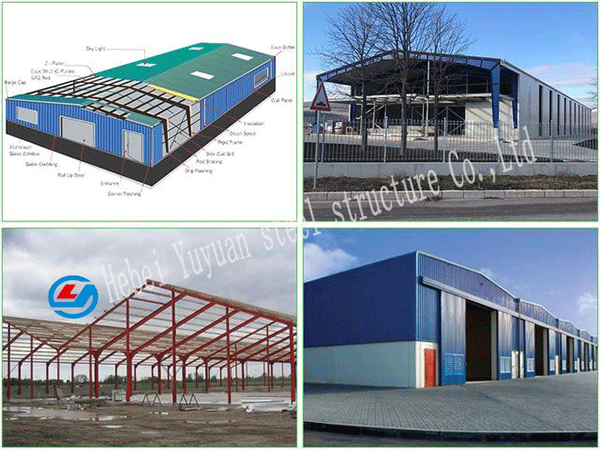
Export steel structure workshops Prefabricated steel structure workshops Light steel structure war
-
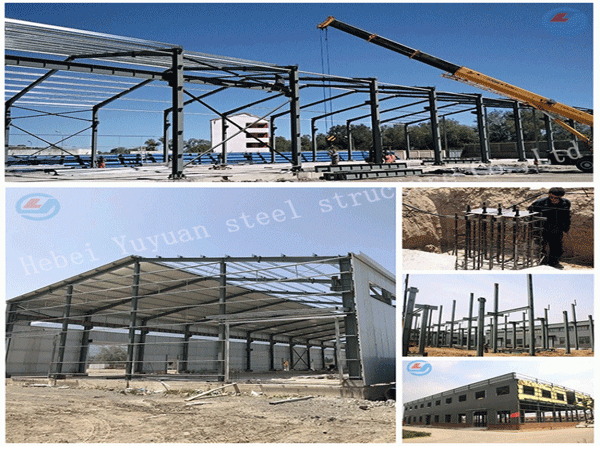
High Quality Low Cost Prefabricated Steel Structure Industrial Warehouse Shed
-
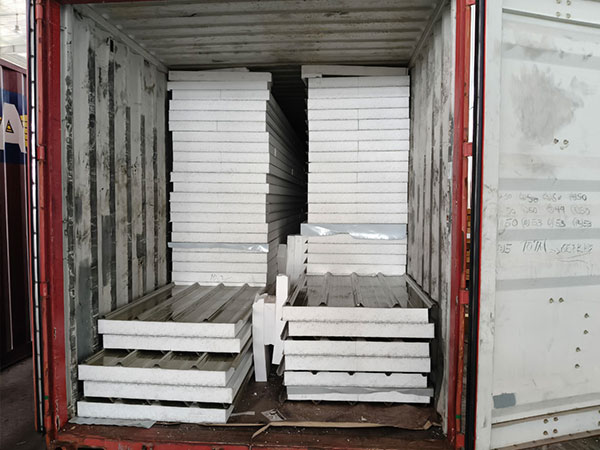
Xiao Sheng - Maldives
-
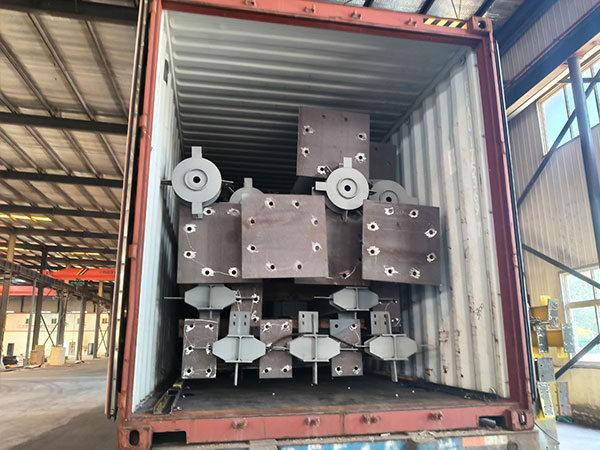
Xiao Sheng - Maldives
-
Xiao Sheng - Maldives
-
Tanzania, April 20, 2025
Hebei Yuyuan Steel Structure Co., Ltd.
Copyright © 2024-2025 https://www.yysteelwarehouse.com. All Rights Reserved Hebei Yuyuan Steel Structure Co., Ltd. All Rights Reserved.