




- Website -







 Current Location:
NEWS INFORMATION
Yuyuan Steel Structure
Steel Workshop Crane System Design and Structural Integration
AUTHOR:yuyuan DATE:2026-07-21 18:41:01 HITS:173
Crane Types and Applications
Overhead cranes multiply the material handling capability of manufacturing workshops by enabling heavy loads to traverse the entire building footprint without floor-level obstructions. Single-girder cranes with capacities from one to ten tons serve light assembly and maintenance operations where hook height requirements are moderate. Double-girder configurations extend capacity ranges to fifty tons or more while providing greater hook lift by positioning the trolley between the girders rather than below them. A qualified steel structure factory designs the supporting frame to match the specific crane type and capacity requirements.
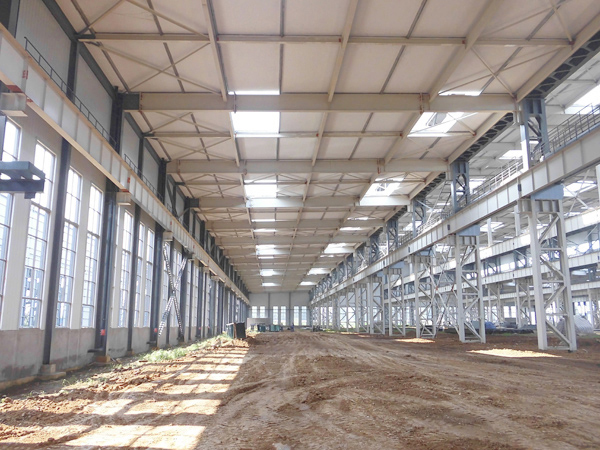
Top-running cranes travel on rails mounted atop runway beams supported by brackets attached to the building columns. Under-running cranes travel on the lower flange of runway beams suspended from the roof structure, which provides greater hook coverage at the expense of reduced capacity compared with top-running alternatives of similar span. The choice between these configurations depends on the load capacities required, the frequency of crane operation and the structural system of the supporting building.
Structural Frame Requirements
Workshop buildings with overhead cranes require stronger frame designs than facilities handling only gravity and wind loads. Crane operation generates lateral forces from acceleration and deceleration of the bridge and trolley, vertical impact forces from load pickup and drop, and longitudinal forces from bridge travel along the runway. Each of these force components must be considered in the structural design to ensure adequate capacity without excessive deflection that could impair crane operation.
Column sizes increase to resist combined bending from crane reactions and axial loads from the roof system. Rafter depths may increase to limit deflection that could affect the alignment of crane rails supported from the frame. An experienced manufacturer performs comprehensive structural analysis accounting for all load combinations specified in applicable design codes, verifying that member sizes provide adequate strength and stiffness for the intended crane operation throughout the building life.
Runway Beam Design
Crane runway beams span between columns and carry the wheel loads from the crane bridge. Standard wide-flange sections suit moderate spans and capacities, while built-up plate girders address long spans or heavy wheel loads that exceed the capacity of rolled shapes. Lateral bracing between the runway beam and the building frame prevents rollover under crane lateral forces and maintains the rail alignment that ensures smooth crane travel.
Rail selection and installation significantly affect crane operation quality and maintenance requirements. Rails with appropriate section properties for the wheel loads distribute concentrated forces into the beam without causing local yielding or excessive wear. Rail clips or welded connections attach the rail to the beam while allowing longitudinal movement to accommodate thermal expansion of the runway system. A properly designed runway system operates reliably for decades with routine inspection and maintenance.
Impact on Building Layout
Incorporating overhead cranes into workshop design influences column positioning, clear height requirements and future expansion provisions. Crane span determines the distance between runway supports, which typically aligns with column spacing for economical structural integration. Hook coverage requirements may dictate aisle widths and equipment positioning to ensure the crane can reach all necessary work positions. Clear height from floor to crane hook depends on the lift height needed for the tallest loads, plus the depth of crane girders and trolley system that the building must enclose.
Future crane additions or upgrades become more feasible when the original structural design anticipates potential crane loads at locations where future runways might install. Including foundation capacity for potential future cranes costs relatively little during initial construction but would be prohibitively expensive to retrofit after the building is complete. Discussing potential future requirements with the manufacturer during design development ensures the building structure accommodates growth without expensive modifications.
Installation and Commissioning
Crane system installation typically occurs after the building frame and cladding are complete, with the crane components lifted into position through temporary openings in the roof or walls. For heavy cranes, structural temporary bracing may be required to support crane components during assembly before the permanent connections are complete. The runway beam alignment must be verified before crane operation begins, with rail adjustment to achieve the tolerances specified by the crane manufacturer.
Crane commissioning includes load testing to verify that the crane and its supporting structure perform as designed under rated load conditions. Test loads of 125 percent of rated capacity confirm that the structural system has adequate reserve capacity for the occasional overloads that occur in normal operation. Successful completion of load testing provides documentation required for regulatory compliance and insurance purposes.
Conclusion
Integrating overhead crane systems into steel workshop design requires coordinated engineering of the crane equipment and supporting structure from project inception. Working with a manufacturer who understands crane-building interaction ensures that column sizes, runway beam spans and connection details work together to support reliable material handling operations. The investment in proper crane system design pays dividends through decades of trouble-free operation that enhances the productivity and value of the manufacturing facility.
References
Crane Manufacturers Association of America, CMAA 70 Specifications for Top-Running Bridge Cranes
American Institute of Steel Construction, Design Guide 7: Industrial Buildings with Cranes
Occupational Safety and Health Administration, Overhead and Gantry Crane Safety Requirements
European Machinery Directive, EN 13001 Crane Safety Design Standards
-
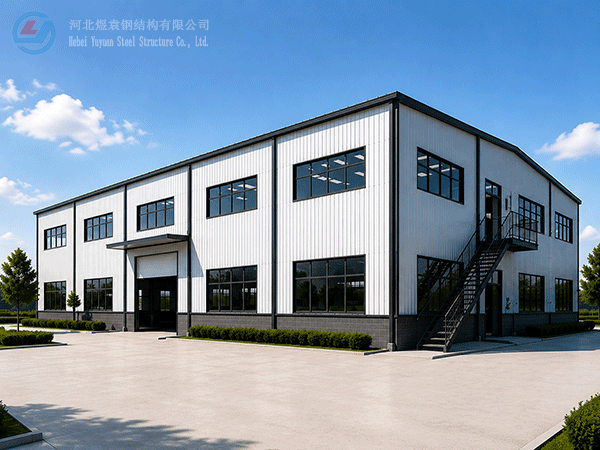
Modern Two-Storey Prefabricated Steel Structure Workshop Building Industrial Shed Construction
-

Yuyuan export Steel Structure Warehouse Prefab Steel Structure Warehouse for storage
-
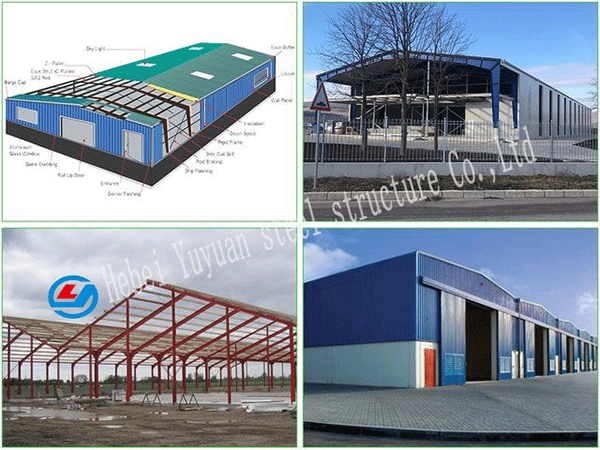
Export steel structure workshops Prefabricated steel structure workshops Light steel structure war
-
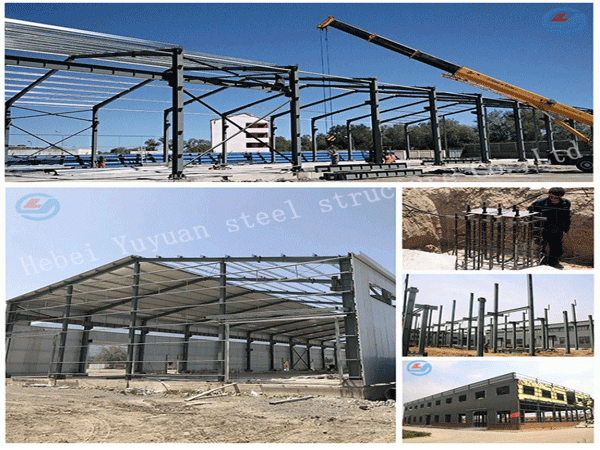
High Quality Low Cost Prefabricated Steel Structure Industrial Warehouse Shed
-
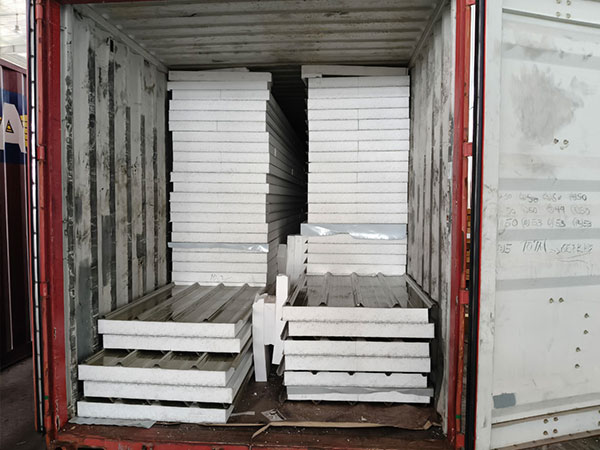
Xiao Sheng - Maldives
-
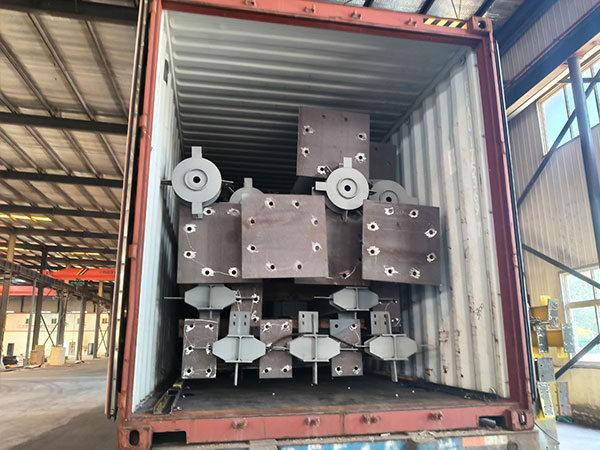
Xiao Sheng - Maldives
-
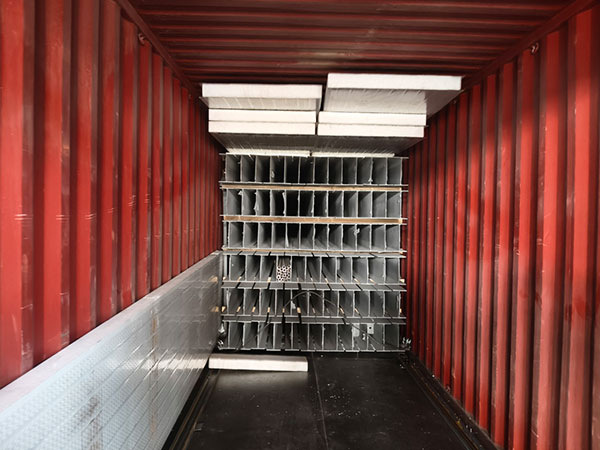
Xiao Sheng - Maldives
-
Tanzania, April 20, 2025
Hebei Yuyuan Steel Structure Co., Ltd.
Copyright © 2024-2025 https://www.yysteelwarehouse.com. All Rights Reserved Hebei Yuyuan Steel Structure Co., Ltd. All Rights Reserved.