




- Website -







 Current Location:
NEWS INFORMATION
Yuyuan Steel Structure
What Does a Steel Structure Factory Do? A Complete Steel Structure Factory Overview
AUTHOR:yuyuan DATE:2026-01-26 18:20:25 HITS:152
A modern steel structure factory overview reveals much more than simple steel fabrication. Today’s factories integrate engineering design, standardized production, quality control, and large-scale supply to serve construction, industrial, and infrastructure projects efficiently.
Operating as a professional Manufacturer with factory-level Production capacity, a steel structure factory transforms raw steel into precision-engineered components ready for installation. Through controlled environments and scalable manufacturing systems, factories ensure consistency, speed, and cost control across projects of different sizes.
This article provides a complete steel structure factory overview, explaining what a factory does, how production flows, and why factory-based manufacturing has become essential in modern construction.
 |  |
What Is a Steel Structure Factory?
A steel structure factory is a specialized manufacturing facility that designs, fabricates, and processes steel components used in buildings, warehouses, bridges, and industrial frameworks. Unlike on-site fabrication, factory production centralizes operations to improve accuracy and efficiency.
By working from standardized drawings and digital models, factories convert steel plates, beams, and profiles into finished structural parts. This approach ensures predictable quality and repeatable results for mass and customized production needs.
A proper steel structure factory overview highlights the factory’s role as both a production center and a supply hub for large construction projects.
Design and Engineering Before Production
Every steel structure project begins with engineering preparation.
Structural Design and Calculation
Engineers analyze load requirements, environmental conditions, and usage demands. This ensures each component meets safety and performance standards while optimizing material use.
Digital Modeling and Detailing
Modern factories rely on digital design systems to generate fabrication drawings and connection details. Standardization at this stage simplifies downstream production and reduces errors during assembly.
Through accurate planning, the factory creates a reliable bridge between concept and manufacturing.
Material Processing Inside the Factory
After design approval, raw materials enter the production line.
Steel Selection and Inspection
Steel sections and plates are selected based on project specifications. Incoming material inspections confirm mechanical properties and dimensional accuracy.
Cutting and Shaping
Automated cutting systems provide precise sizing for beams, columns, and plates. Accurate shaping minimizes tolerance issues and improves assembly efficiency during installation.
Centralized processing in the factory environment improves consistency compared with field fabrication.
Fabrication and Assembly Operations
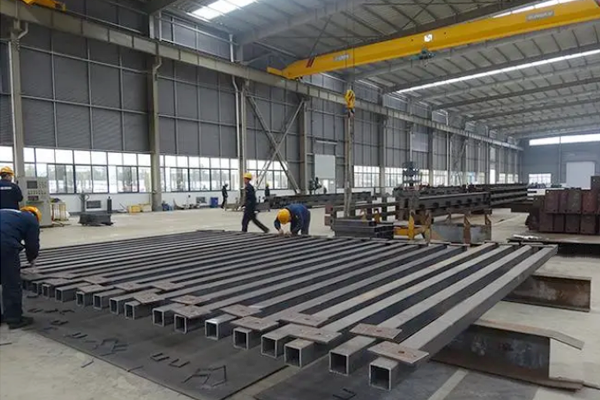
Fabrication is the core function of any steel structure factory.
Welding and Connection Manufacturing
Components are welded according to standardized procedures. Controlled conditions reduce deformation and ensure connection strength.
Trial Assembly and Fit Checks
Factories often conduct trial fitting to verify alignment and connection accuracy. This step prevents installation delays and ensures smooth on-site erection.
As a Production-focused Manufacturer, maintaining fabrication precision is essential for stable supply and long-term performance.
Surface Treatment and Quality Control
Before delivery, steel components undergo protection and inspection.
Surface Protection Processes
Processes such as blasting, priming, and coating protect steel from corrosion and environmental damage. Surface treatment extends the service life of structures.
Quality Inspection
Dimensional verification, weld inspection, and coating checks ensure every part meets production requirements. Quality control reduces risk and enhances project reliability.
A steel structure factory overview must emphasize that inspection is not optional but central to factory manufacturing.
Logistics and Factory Supply Capability
Steel structure factories also manage logistics and delivery planning.
Packaging and Identification
Each component is labeled for installation sequence, making on-site assembly faster and more organized.
Batch Production and Supply
Factories support bulk orders and phased deliveries. Large-scale Production systems allow stable supply for multi-stage construction projects.
This ability to manage volume and timing is one of the strongest advantages of factory-based manufacturing.
Advantages of Factory-Based Steel Structure Production
Choosing factory manufacturing offers several benefits:
·Higher dimensional accuracy
·Faster project timelines
·Reduced on-site labor
·Better material utilization
·Scalable production capacity
A professional Manufacturer operating in a controlled Factory environment can deliver consistent results across different projects and markets.
Applications Across Industries
Steel structure factories serve many sectors, including:
·Industrial plants
·Warehouses and logistics centers
·Commercial buildings
·Infrastructure frameworks
·Agricultural facilities
The flexibility of factory production allows structures to be adapted while maintaining standardized manufacturing quality.
Why Steel Structure Factory Overview Matters
Understanding a steel structure factory overview helps project planners, contractors, and buyers evaluate production capability and supply reliability.
Factory-based production ensures that steel structures are not only fabricated, but engineered, tested, and delivered through a controlled manufacturing system. This approach reduces risk, improves coordination, and supports modern construction demands.
Conclusion
A modern steel structure factory overview shows how design, fabrication, inspection, and logistics work together in one manufacturing system. From engineering preparation to final delivery, every step is optimized for accuracy and efficiency.
Backed by professional Manufacturer capability and Factory-level Production systems, steel structure factories provide scalable supply, stable quality, and reliable performance for today’s construction and industrial projects.
As demand for speed and consistency grows, factory-based steel structure production remains a critical solution for achieving efficient, high-quality building frameworks worldwide.
References
GB/T 7714:Lawson R M, Ogden R G, Bergin R. Application of modular construction in high-rise buildings[J]. Journal of architectural engineering, 2012, 18(2): 148-154.
MLA:Lawson, R. Mark, Ray G. Ogden, and Rory Bergin. "Application of modular construction in high-rise buildings." Journal of architectural engineering 18.2 (2012): 148-154.
APA:Lawson, R. M., Ogden, R. G., & Bergin, R. (2012). Application of modular construction in high-rise buildings. Journal of architectural engineering, 18(2), 148-154.
-
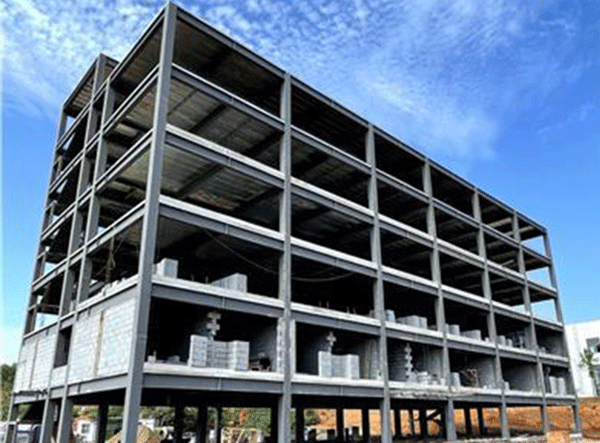
Fast Assembled Multi-Story Steel Structure Workshop Factory For Industrial Use
-
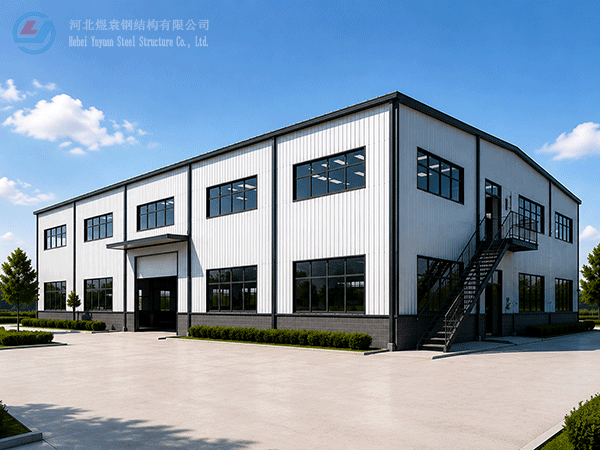
Modern Two-Storey Prefabricated Steel Structure Workshop Building Industrial Shed Construction
-
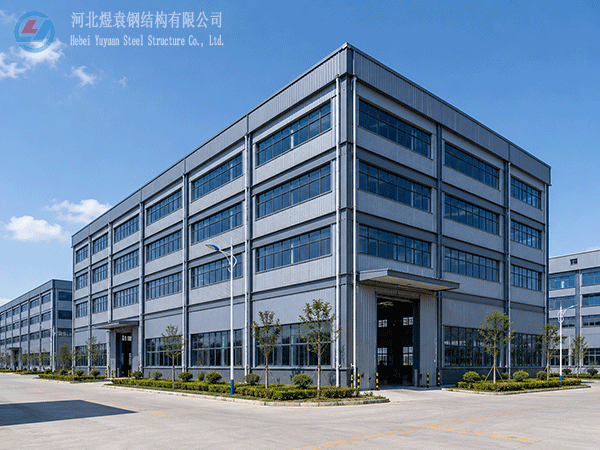
Yuyuan export Steel Structure Warehouse Prefab Steel Structure Warehouse for storage
-
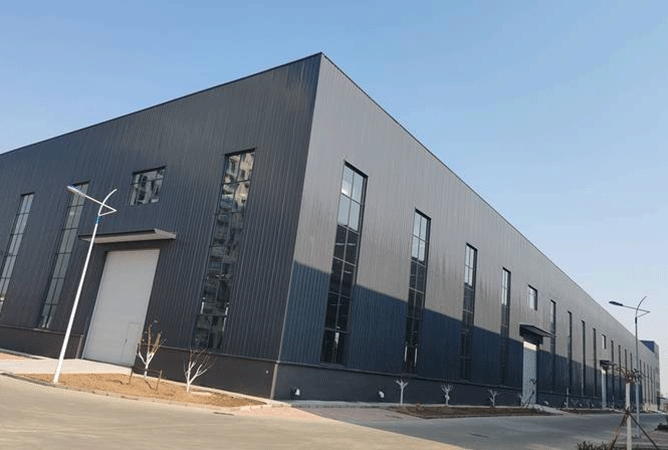
Export steel structure workshops Prefabricated steel structure workshops Light steel structure war
-
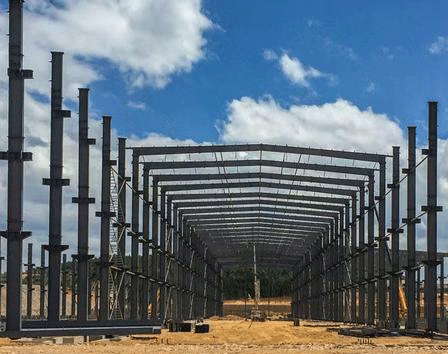
High Quality Low Cost Prefabricated Steel Structure Industrial Warehouse Shed
-
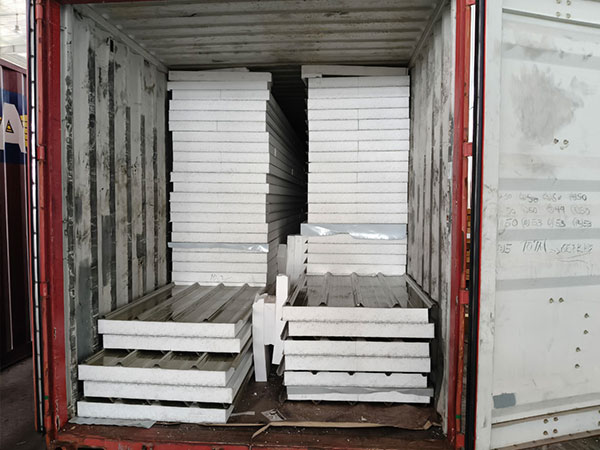
Xiao Sheng - Maldives
-
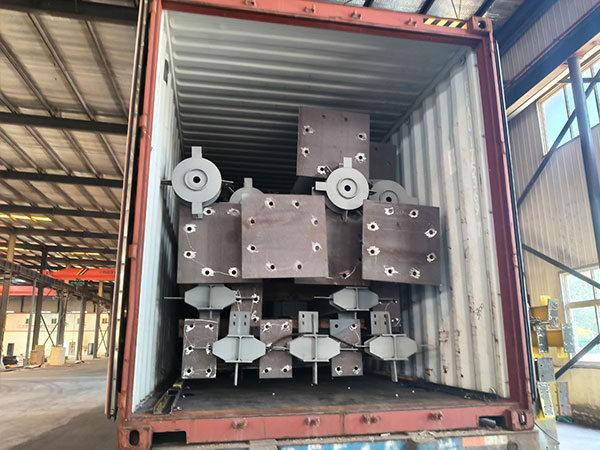
Xiao Sheng - Maldives
-
Xiao Sheng - Maldives
Hebei Yuyuan Steel Structure Co., Ltd.
Copyright © 2024-2025 https://www.yysteelwarehouse.com. All Rights Reserved Hebei Yuyuan Steel Structure Co., Ltd. All Rights Reserved.